• navigations

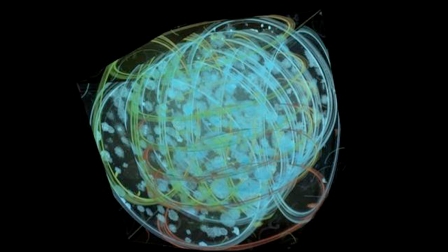
    ‘On Tuesday 4 February, Alec Finlay and Iain Gardner will premiere two new animated works that have been developed over the last year in a special, free event for World Cancer Day at the Science Museum’s Dana Centre, London.

    Navigations is a project about the brain, cancer, and the respective approaches of medical science and art to how we understand the impact of terminal illness.

    On the night, Alec and Iain will join a panel of speakers to talk about their experiences of the project and engaging in a dialogue with the medical team and researchers about their respective disciplines. Facilitated by the writer, broadcaster and blogger, Dr Kat Arney, the panel also includes Professor Anthony Chalmers (Chair of Clinical Oncology, Beatson Institute for Cancer Research & Beatson West of Scotland Cancer Centre, University of Glasgow) and Mairi Mackinnon (Clinical Nurse Specialist at the Beatson West of Scotland Cancer Centre).

    The evening will begin with a screening of Down with the Dawn by Run Wrake featuring music by Howie B, made in response to being diagnosed with terminal cancer and also include a reading of poetry written by Alec over the year. Copies of Today Today Today, a booklet of recently published poems will be given away on on the night.

    From Thursday 6 February the works will be viewable on animateprojects.org.

    The event is free, but booking essential
    Call 020 7942 4040 or e-mail tickets@danacentre.org.uk
    #WorldCancerDay

    Navigations is supported by a Wellcome Trust Arts Award and is a collaboration between Animate Projects, Paintings in Hospitals, and Beatson West of Scotland Cancer Centre and Beatson Institute for Cancer Research.’

    There’s also an interview with Iain Gardner here:
    http://www.animateprojects.org/interviews/iain_gardner
    and with Alec Finlay here:
    http://www.animateprojects.org/interviews/alec_finlay
  • IMG_4903_2

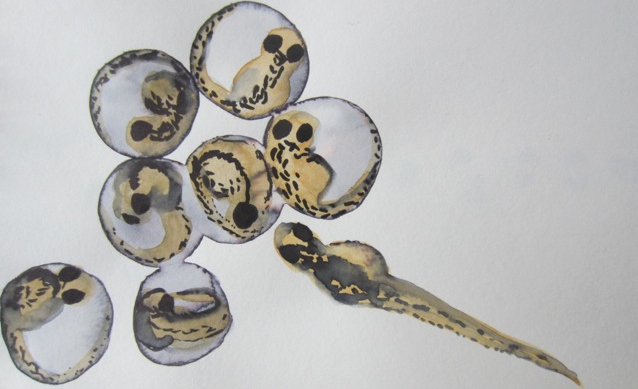
    Image by Samantha Moore for Silent Signal.

    Animate! projects with the Wellcome Trust has commissioned six artist/scientist teams to put forward ideas for possible animated works under a project called Silent Signal.

    “Silent Signal explores how research into genetics, cell biology, immunology and epidemiology is advancing our understanding of how the human body communicates with itself, how it adapts to fight disease and how environment affects the chain reaction. Six biomedical scientists who are furthering these fields with cutting-edge research are collaborating with six artists who use a variety of animation techniques and new digital technologies in their artistic practice. Through these collaborations audiences will be engaged with the biological processes that their bodies perform with an artistic approach to communicating the science.”

    They have published the process on their blog http://www.silentsignal.org/, which is a fascinating insight into the collaborative relationship between the scientists and artists. The site also shows work in progress of various applications of animation  from animated documentary, participatory animated documentary, game art through to interactive experiences using animation.

    http://www.silentsignal.org/

    http://www.animateprojects.org/


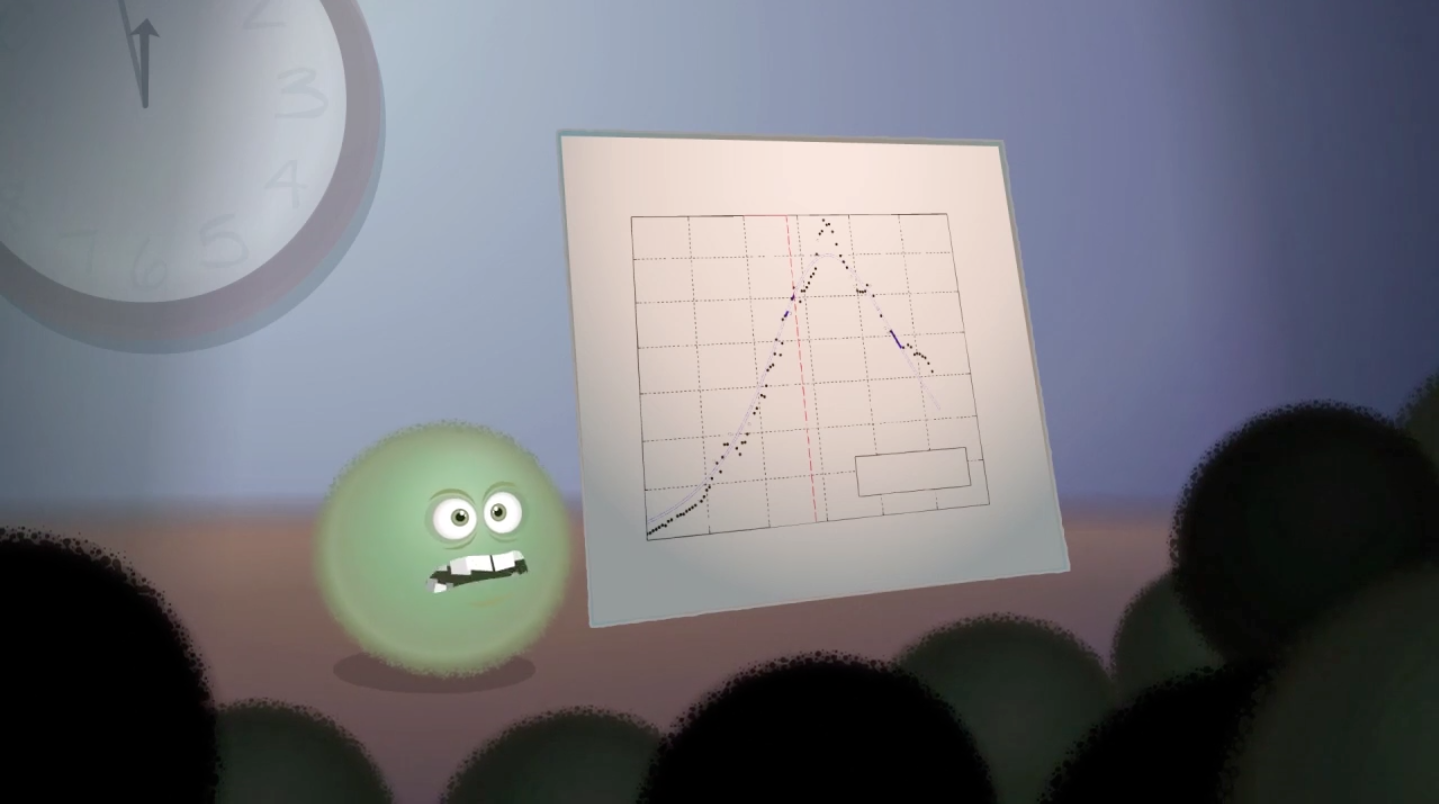
  • “We’re all doomed!” muttered an internal voice whilst watching this thoroughly bleak yet seemingly rational animation about the fundamental incompatibility of environmentalism and the current fuel based economic paradigm.

    TNT1

    Initially conceived as a lighthearted parody of the pro-capitalist propaganda cartoons of the 1940s and 50s, this Flash animation maintains a commitment to the juxtaposition of serious or complicated concepts with lighthearted and infantile graphic techniques; the characters are cute and inanimate materials are personified. Dermot O’Connor does his best to extend such jollity into the graphic representations of data. However when the flow of imaginative imagery inevitably runs as dry as some of the film’s subject matter, enough distraction is provided by the film’s apocalyptic overtones that criticism is effectively stifled.

    TNT2

    Efforts are made to keep levels of panic at a low simmer. Twinkling classical music soothes the tone of the film as catastrophic statements are churned out. Similarly the female narrator’s soft delivery greatly contrasts the alarming information she imparts.

    TNT3

    Gradually I started to mentally add two dots above each bell shape graph that predicted decline of a resource or living standard, resulting in a stream of crude sad-face emoticons.

    TNT4

    The Frequently Asked Questions on O’Connor’s website made for interesting reading. In this the writer/animator bitterly describes the film ‘consuming’ up to ‘three full years of personal labor’. In response to the question ‘Would you do it again if you knew how long it was going to take?’ O’Connor retorts ‘No. In the intervening years, it’s become clear that people are deeply set in their opinions, and that most of the writing/commentary/movies that are made simply reinforce existing beliefs, rather than change them. In addition, dealing with this subject is likely to have one labeled a Eugenicist/Genocidal-maniac/New World Order puppet/Illuminati/Oil-industry-shill/The AntiChrist, or worse. It would have been wiser to create a cartoon about crime-fighting squirrels with super-powers.’

    TNT5

    Despite being sympathetic and interested in much of O’Connor’s concerns this film has an uncanny pacifying effect. Rather than a call to arms the lasting sentiment is that of inevitable doom. Readers may ask ‘why write about a project that seemed to bring down both creator and audiences.’ In response I suggest it might be a good idea to consider the worst every now and then. The blissful comfort of ignorance can be as inversely distorting as crippling paranoia. We all need a bit of doom in our lives if not just to provide perspective on the triviality of our own day-to-day soap opera or maybe even help us re-think our tangled relationships with non-renewable energy sources.

  • We will be taking a short break from posting over the winter holidays, but we will be back in January with further animated documentary films and news!

    We always love to hear any news and updates you may have, so continue to message us via facebook and the blog.

    We wish you a pleasant winter break!

    Ellie, Alys and Alex – http://www.animateddocumentary.com

  • A hybrid film featuring live action alongside animated documentary, this is the story of Ryszard Kapuscinski, a journalist covering independence movements throughout Africa in the 1970’s.

    The animation and style is sublime, building on the style associated with ‘Waltz with Bashir’.

    We are not sure when this film will be completed – but we anticipate its release!

    You can read the review here:

    http://twitchfilm.com/2013/06/watch-the-astounding-trailer-for-hybrid-animation-documentary-another-day-of-life.html

    You can visit the website here:

    http://anotherdayoflifefilm.com/en/index.html

  • Dennis Stein-Schomburg’s ‘Andersartig’, the German word for different, is an elderly woman’s account of her isolated youth in a German orphanage during a World War II allied bombing campaign.

    A1

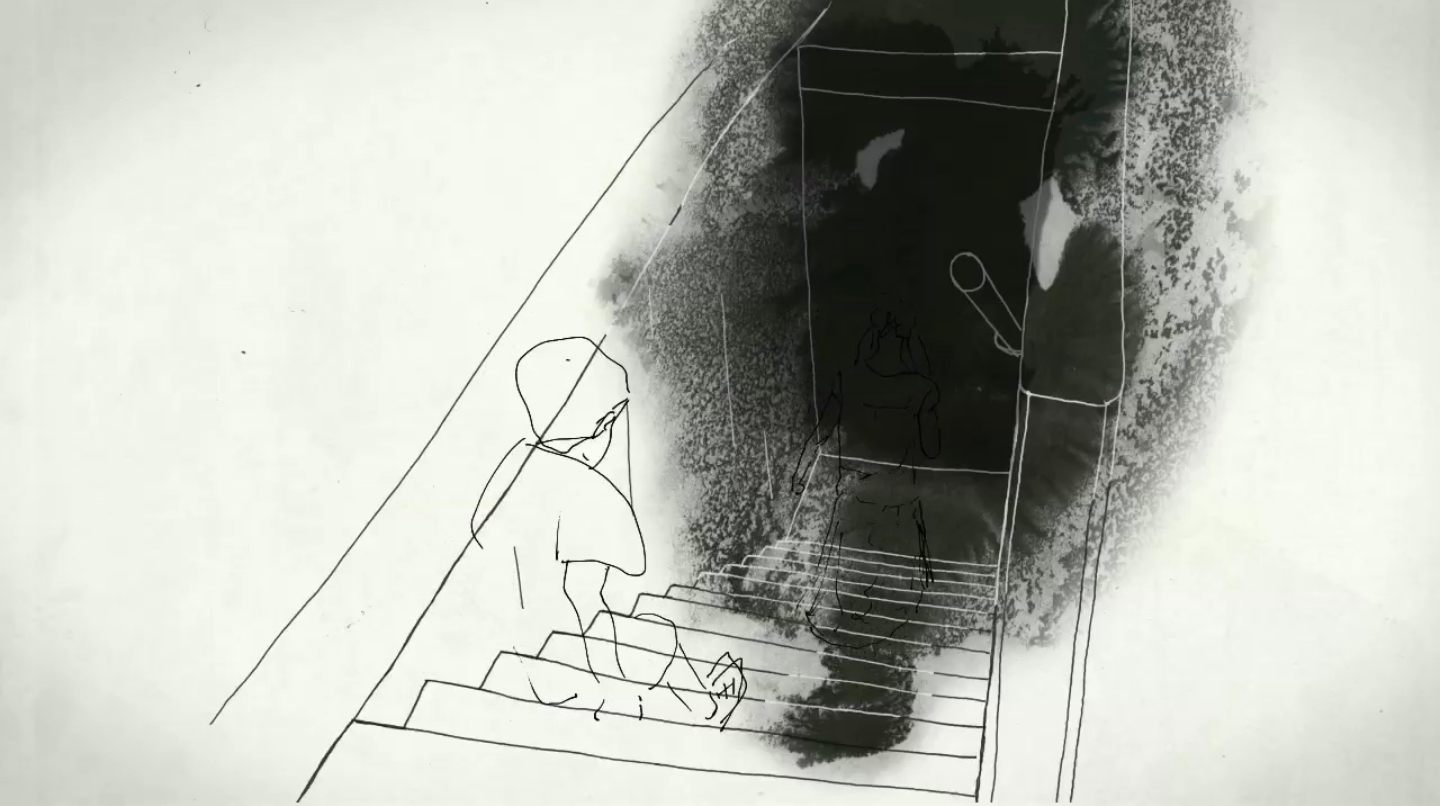
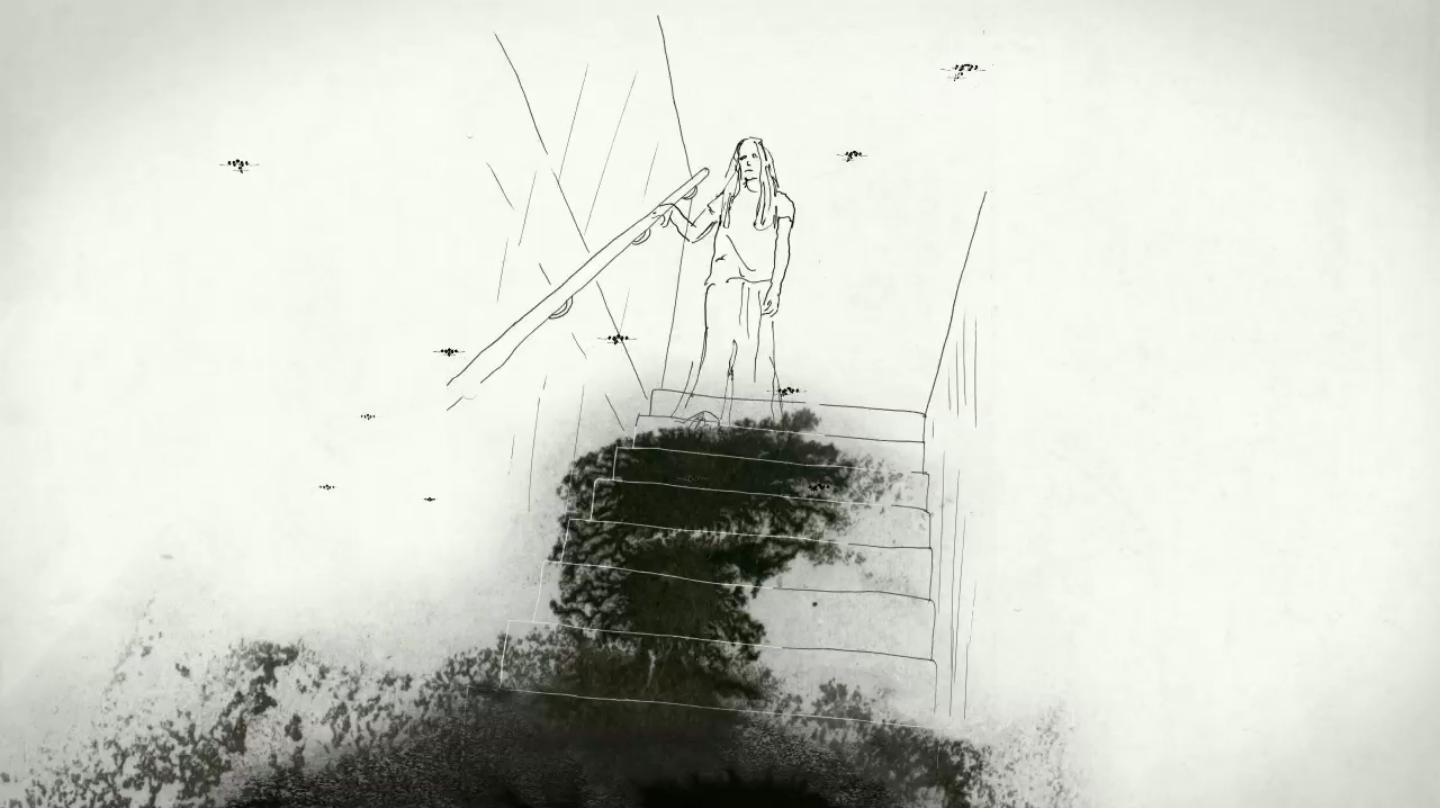
    Schomburg captures the visual essence of memory through the use of transparency, a sepia colour palette and floating camera movements that include  slightly conflicting uses of perspective. While much of the composition is left abstracted by splashed ink, these textures provide context for individual details to pop out. Recognition is owed to the director for crafting the feeling that we are experiencing the narrator’s minds eye.

    A2

    Two and three dimensional animation components are combined successfully. While the image of a fish constructed out of numbers was designed crudely and moves with an equivalent level of elegance, the dispersion of dandelion seeds give a strong impression of air currents. These airborne symbols of childhood innocence serve as an impeccable introductory device to the impending air raid. Their aimless movement and silence function as a counterpoint to the droning intentionality of the aeroplanes set on civilian devastation.

    A3

    Despite being based on a factual account, this film has a distinctly allegorical tone to it.  The first possible interpretation aligns this narrative with the age-old advice that one’s proverbial eggs should not be placed in the same basket. In case of a chance instance of damage this is a recognised method for preventing the destruction of an entire stock.

    A4

    The second interpretation I take from this account weighs more on the connection between personality and survival. The title of the film presents a girl’s isolation and separatism as the main theme. Her resistance to following the action of the cohort led to circumstances that left her living while the rest perished. This is an appealing message as there is great value placed on individuality in our society. However, I am not certain it is wise to learn from this little girl’s actions, and by default her anti-social tendencies. If these circumstances were repeated the same results would not necessarily reoccur. This woman’s mere survival grants her decision the illusion of being correct when rationally it is fair to say this chance outcome was the result of numerous arbitrary circumstances. The connection between her personality and survival could be incidental. That said it is important to remember these are simply someone’s memories and any interpretation may say more about us, the viewers, than the narrator.

    A5

    I find it intriguing to compare this film with Alex Bland’s ‘I Dreamt of Flying’, an animated documentary I reviewed for this blog back in June. Bland presents the other side of the story, the accounts of British and American bomber pilots that described raids over Germany. While Bland steers away from the civilian casualties associated with these attacks, there is little engagement with the wider context of war in Schomburg’s film.

    A6

    ‘Andersartig’ was brought to our attention by Florian Maubach, the director of ‘Iki – See you soon’ which I wrote about back in August. Maubach and Schomburg are both students from the University of Art and Design in Kessel. Dennis now works freelance as an animator and graphic designer.

  • ‘The Vanni’ is a graphic novel set in Sri Lanka, India and the UK and follows the story of a fictional Tamil family living in a fishing village in Sri Lanka. The story starts in 2004 following the Tsunami and takes us through to the following conflict and then life for the family surviving as refugees.

    The concept comes from Bejamin Dix, a former UN staff member who spent 4 years living in Sri Lanka until 2008 when all NGO’s were asked to leave Sri Lanka. He has teamed up with illustrator Lindsay Pollack. The story and images are based on his real life experiences of living and working with communities after the Tsunami and as refugees.

    The graphic novel is still in production, but you can see an interactive preview on their website.

    http://www.thevanni.co.uk/

  • Released over a year ago this animated docmentary looks at the current UK trend for labia surgery, a procedure which trims and tidies a woman’s labia.

    Directed and designed by animateddocumentary.com’s co founder Ellie Land.

    http://www.thecentrefoldproject.org/

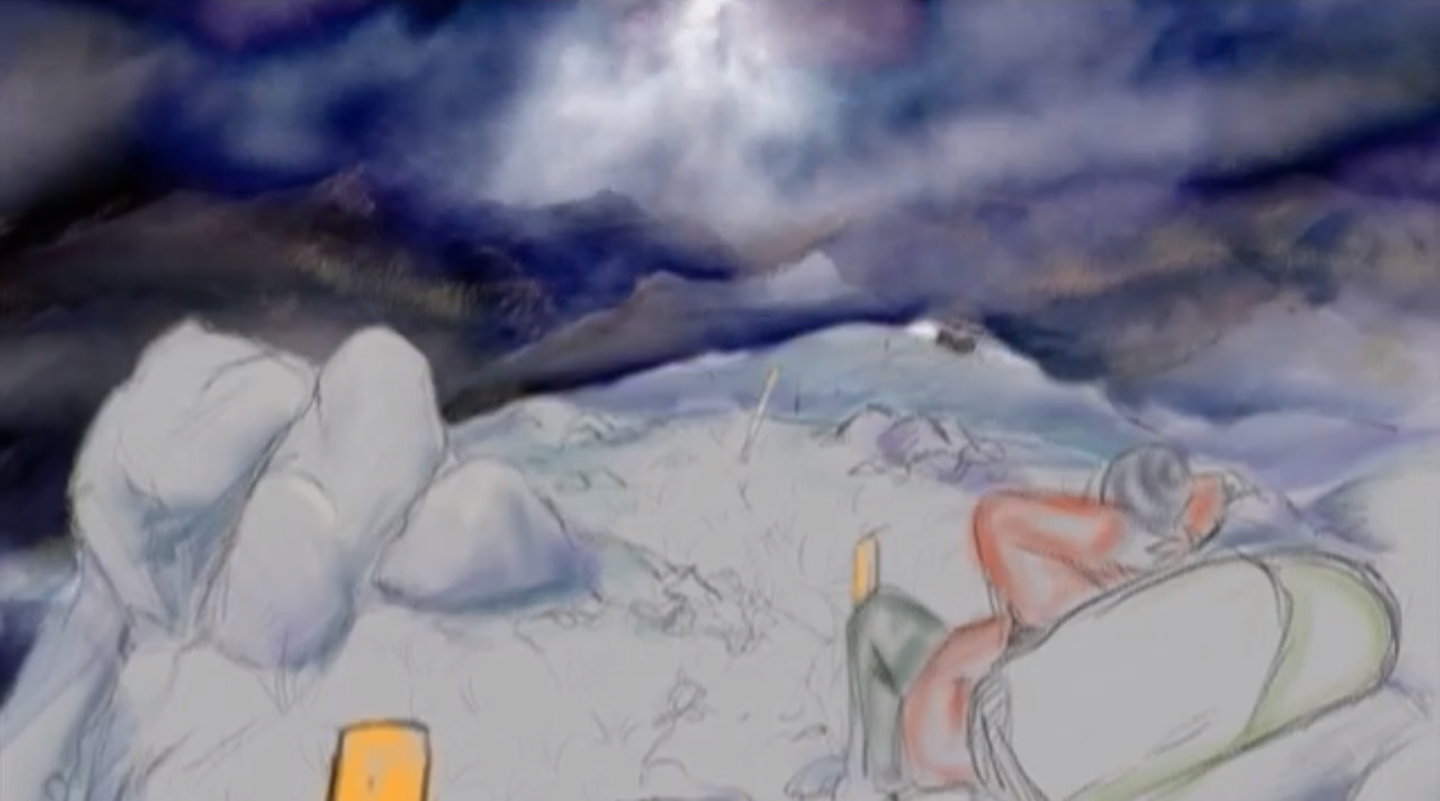
  • Corrie Francis Parks, a Montana based animator and photographer, took part in the New Zealand based Fulbright academic exchange award.  Her fellowship culminated in the creation of the 14-minute animated documentary ‘Conversing with Aotearoa’. (Aotearoa is the most widely know and accepted Māori name for New Zealand.)

    CwA1

    Francis Parks writes about the film: ‘In an age of technological integration and urban life, people turn to the natural world for a wilderness experience. What draws us to the remote corners of land and sea when we realize something in our lives is missing? Conversing with Aotearoa/New Zealand uses unique visual imagery to take the viewer into the physical and mental wilderness encompassed in the diverse landscapes of New Zealand. In this animated documentary, New Zealanders attempt to fathom their deep, personal connection with their land. Among the interviewees are hunters, fishermen, farmers, trampers, mountaineers, adventurer-racers, conservationists, ecologists, artists, urban and rural dwellers, Pakeha, Māori and tourists, young, old and in between. The thread that ties them all together is a passion and love for the wild places in New Zealand.’

    CWA2

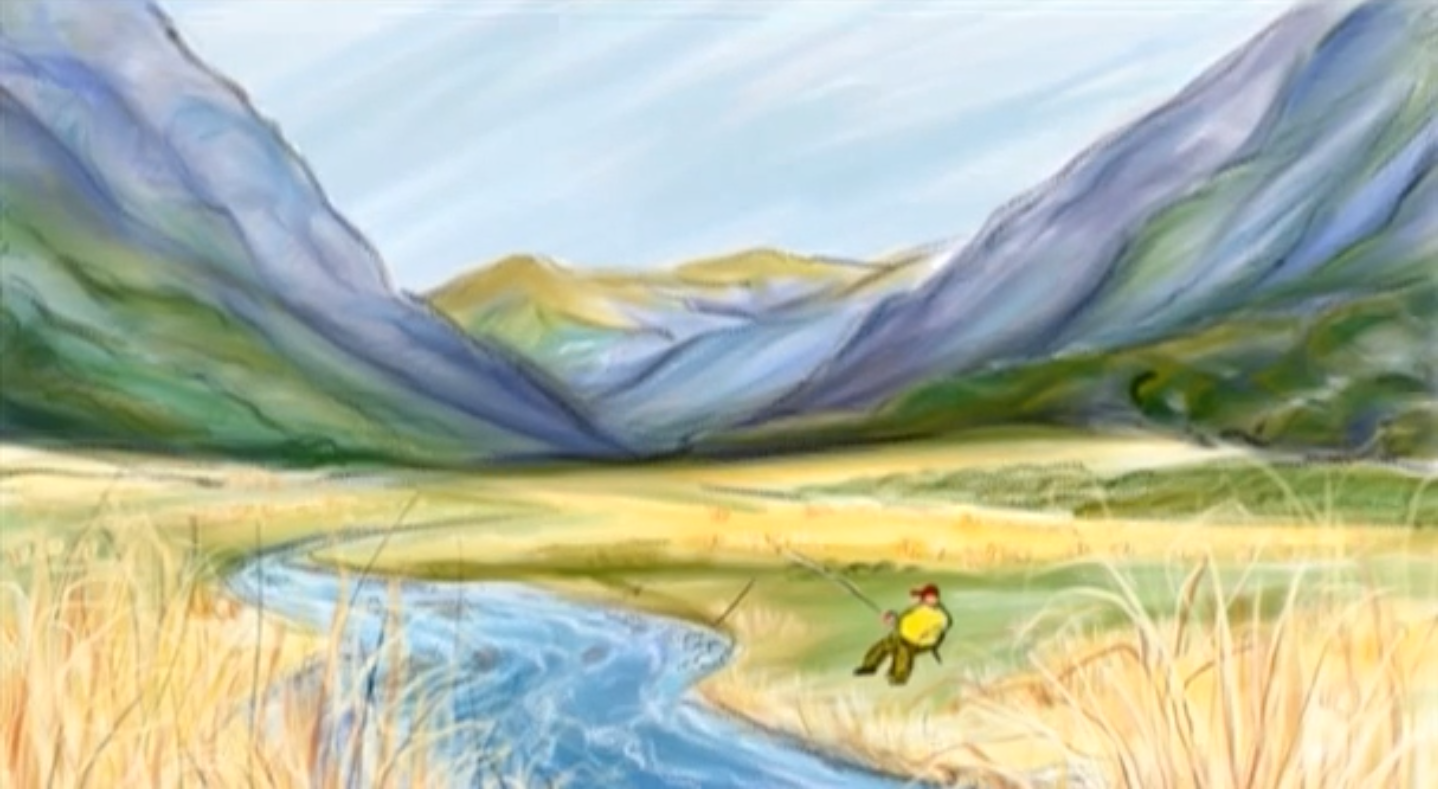
    ‘Conversing with Aotearoa’ is mostly compiled from photographic animation techniques interjected with partially fluid hand drawn scenes.  These are characterised by a pastel colour palette and a feathered quality of line.

    CWA3

    The film is speckled with bracing moments and cinematic experimentation. The time-lapse footage of starfish in a rock pool demonstrated the filmmaker’s fascination with the varied and wondrous environment. The title scene where the mountain range appears to breath is similarly striking.

    CWA4

    There are however some less successful moments. A Māori spirit/mask spins around a struggling mountaineer, presumably to symbolise his relative powerlessness when confronted with the overwhelming power of nature.  The crude rotational movement of the Māori design, when combined with a quaint woodwind instrumental score, felt visually disappointing and distracted from the absorbing account of mountainous peril.

    CWA5

    Although only a trailer is available on Vimeo, the full 14-minute version is accessible through SnagFilms, an online documentary streaming service supported by advertising. It is free to sign-up but expect to receive a weekly email unless you unsubscribe.

  • StoryCorps is a US independent non-profit oral history project, charged with the task of recording, sharing and preserving personal stories of American lives. Many of the thousands of stories are broadcast weekly on National Public Radio’s ‘Morning Edition’ while a handful have been adapted into short animated documentaries.

    sc1
    Image from ‘A Family Man’

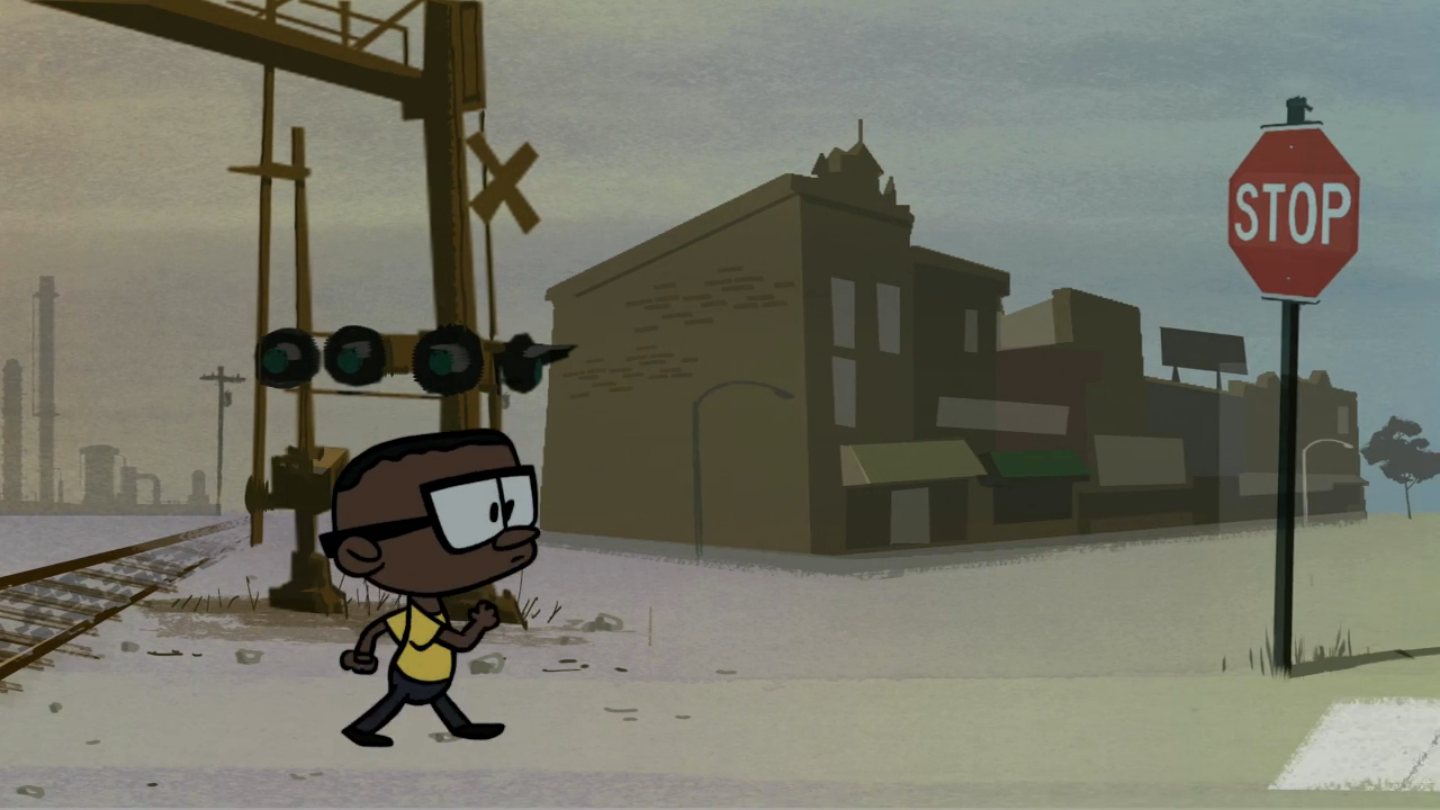
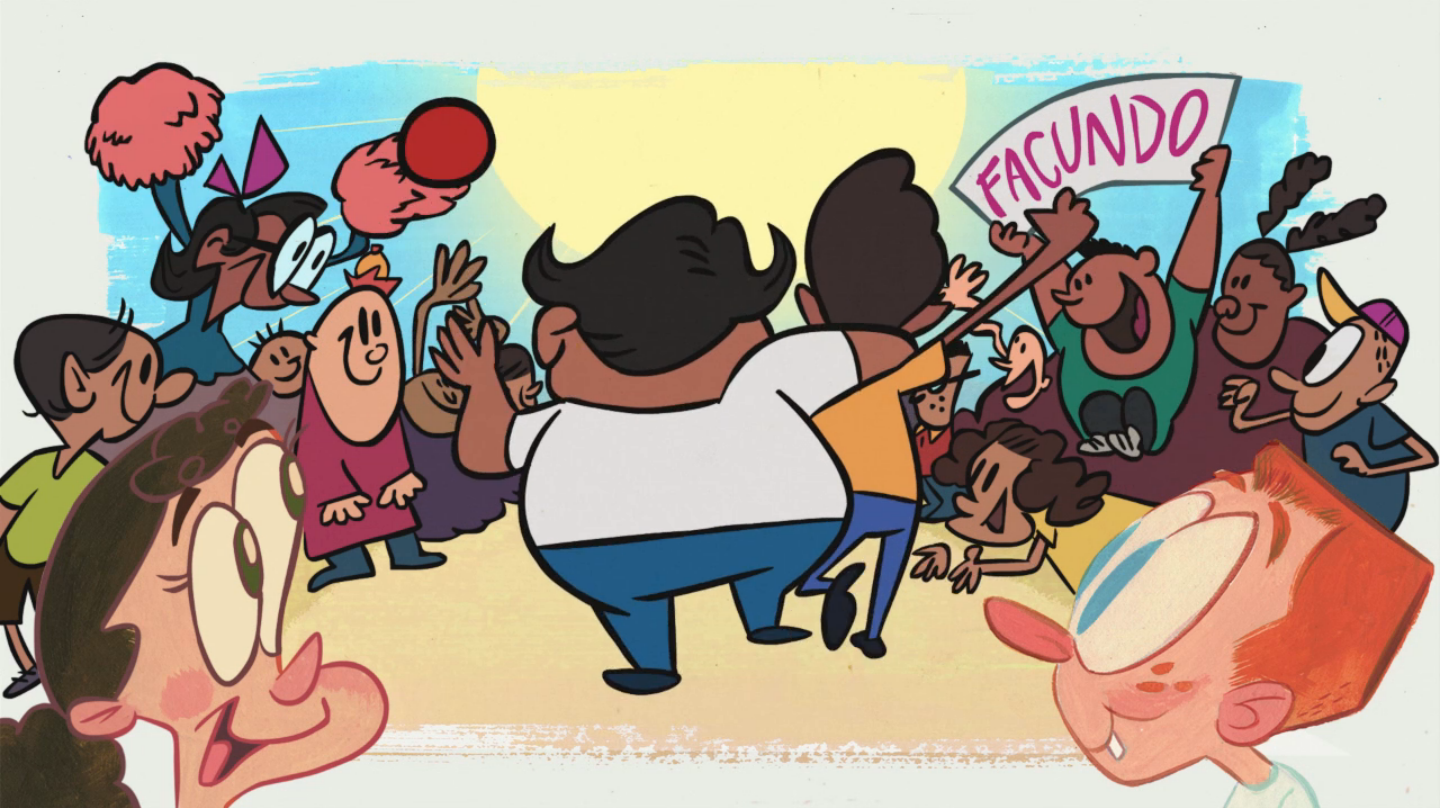
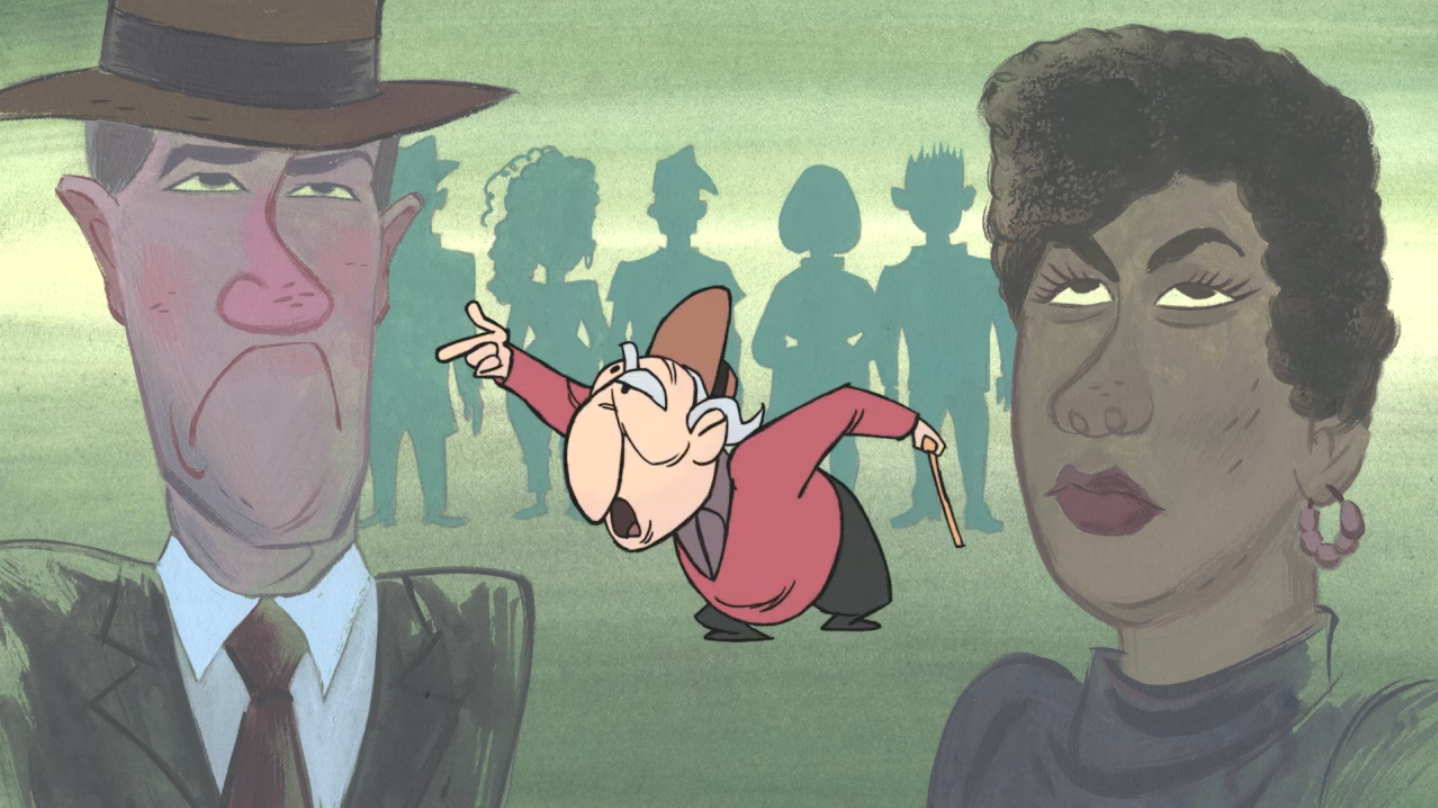
    The Rauch Brothers co-directed all fifteen of the shorts. The series demonstrates a strong influence from the school of American cartoons; Tim Rauch’s distinctly caricatured personalities inhabit beautifully constructed backgrounds designed by Bill Wray. The off-kilter geometry of the architecture and pastel colour palette is reminiscent of the 1960s-era ‘Pink Panther Show’, while the thick outlined digital character animation has a stronger connection to contemporary Nickelodeon and Cartoon Network kids animations.

    Image from ‘Eyes on the Stars’
    Image from ‘Eyes on the Stars’

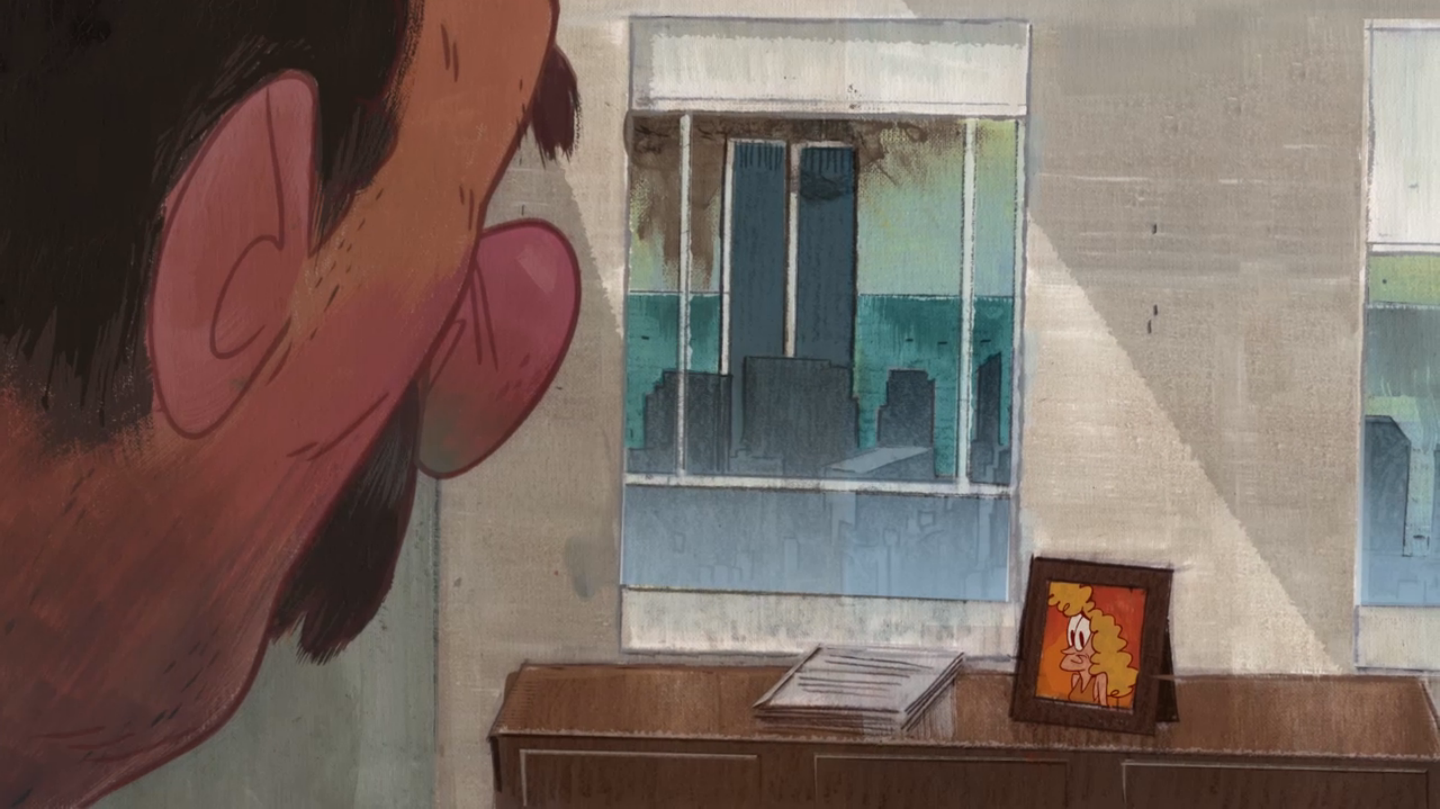
    Many of the StoryCorps recordings selected for animation deal with themes of mortality. ‘John and Joe’, ‘Always a Family’ and ‘She Was the One’ commemorate individuals lost in the 9/11 attacks on the World Trade Center, where family members recall their last conversations with loved ones. Meanwhile ‘Danny and Annie’, ‘Germans in the Woods’, ‘A Family Man’ and ‘No More Questions!’ deal with natural deaths. In some instances recordings were made with an elderly family member not long before their passing. Every reference to mortality is a celebration of that individual’s life, highlighting their idiosyncrasies and honouring memories of them.

    Image from ‘She Was the One’
    Image from ‘She Was the One’

    Films like ‘Eyes on the Stars’, ‘Facundo the Great’ and ‘Icing on the Cake’ refer to the experiences of racial minorities, including stories of inequality and immigration. They are however told with a stereotypical American optimism and sentimentality. The people involved look back from improved circumstances, mocking the absurdity of racism or displaying awe and wonder for the struggles of their parents’ generation.

    Image from ‘Facundo the Great’
    Image from ‘Facundo the Great’

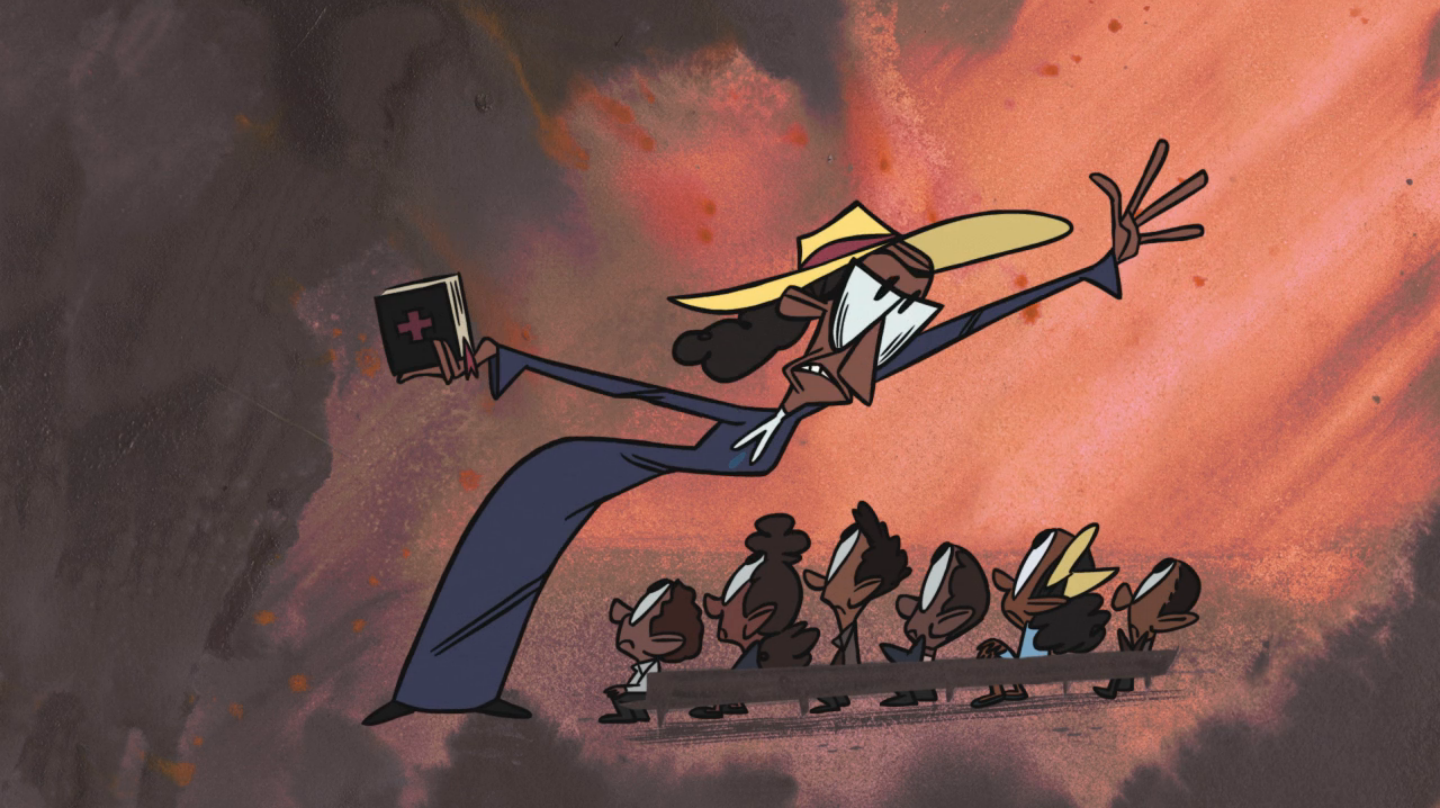
    Eccentric personalities seems to be another theme which pops up in these films. ‘Sundays at Rocco’s’, ‘Q&A’, ‘The Human Voice’, ‘No More Questions!’ and ‘Miss Devine’ all feature domineering or uncongenial characters. These stories celebrate diversity and highlight the importance of individuality.

    Image from ‘The Human Voice’
    Image from ‘The Human Voice’

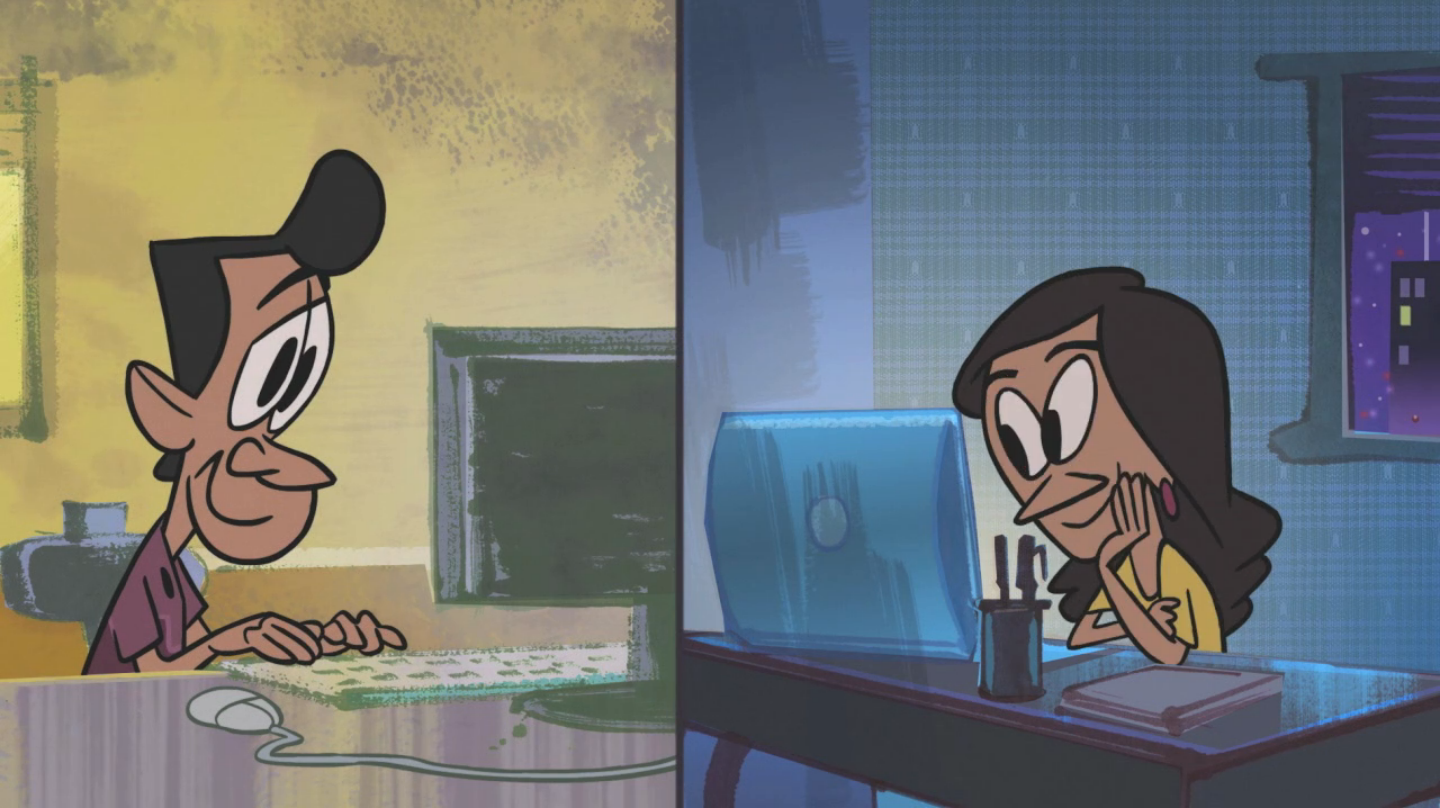
    While many of the animations make reference to romantic or family love, ‘To RP Salazar, with Love’ concerns an extraordinary circumstance that leads to a digital age fairytale ending.

    Image from ‘To RP Salazar, with Love’
    Image from ‘To RP Salazar, with Love’

    Occasionally the animation is noticeably clunky, in particular lip-synching feels a little rough. However the character designs are marvellous. The Rauch Brothers have sensitively depicted a variety of ethnic groups without leaning on illustrative clichés. Family members are designed with an appropriate level of genetic resemblance while managing to avoid looking identical and the exaggerated use of body language and posture helps bring the individuality of each character to life.

    Image from ‘Miss Devine’
    Image from ‘Miss Devine’

    The StoryCorps project has now been running for ten years. An archive of the recordings is being collected at the American Folklife Centre at the Library of Congress. Although we couldn’t embed all the ‘StoryCorps Animated Shorts’ here, I recommend taking time to flick through them on the StoryCorp website.