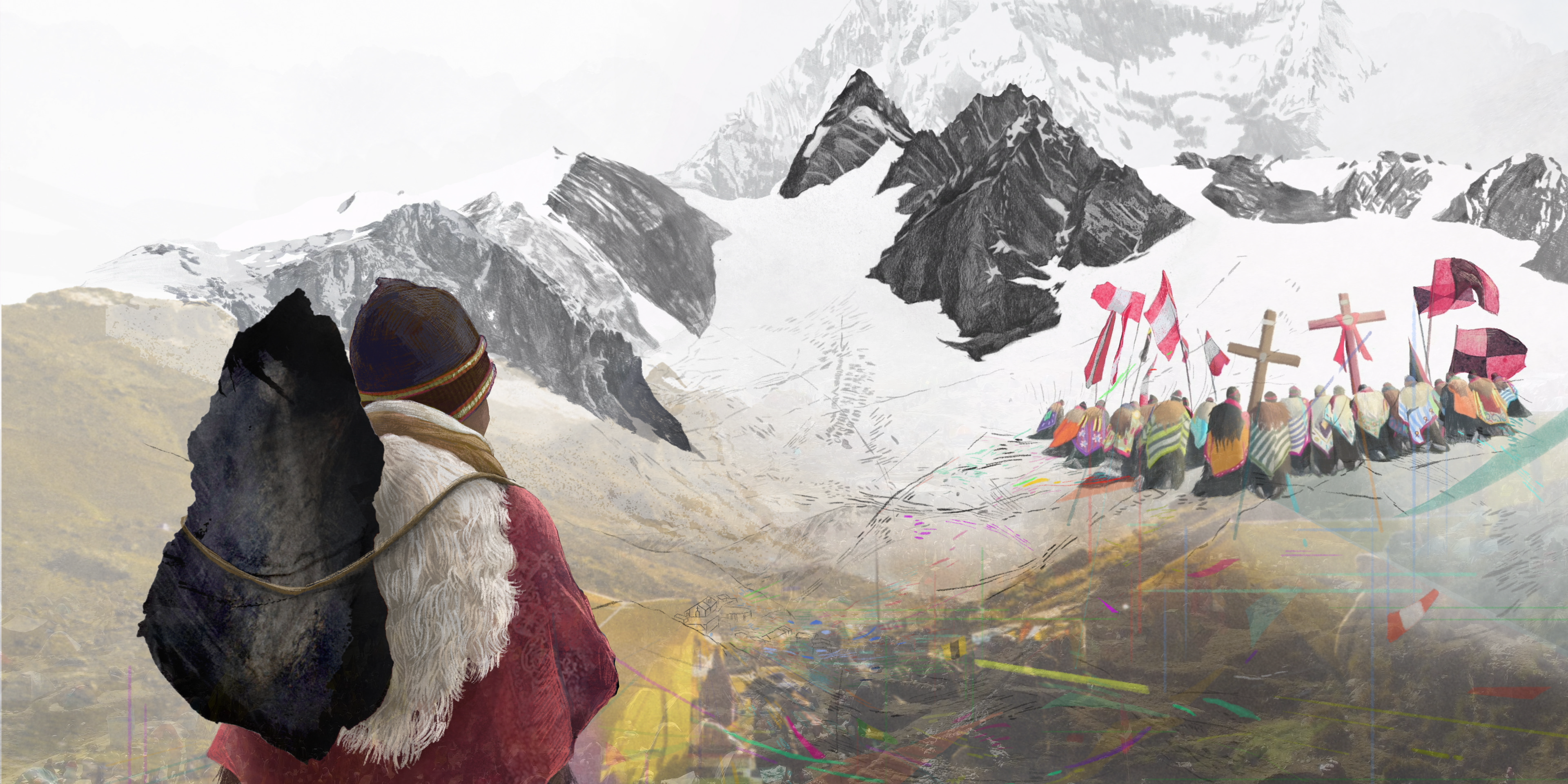
• In this new episode of the Animated Documentary podcast, Carla MacKinnon talks to artist, animator and filmmaker Tess Martin about her recent animated documentary projects How Now, House? (2025) and 1976: Search For Life (2023), her creative exploration of forms and materials, her love of Clio Barnard’s The Arbour (2010), and the impact of new technologies on animated documentary production and commissioning.

    Tess Martin is a film and visual artist based in Rotterdam, with a background in classical fine art and animation. Her work bridges screen-based animated films and site-specific installations and has been exhibited at leading festivals and galleries, picking up numerous awards. Work can be seen on her website and on InstagramHow Now, House? will be screening at Sheffield DocFest on June 21st and 22nd.
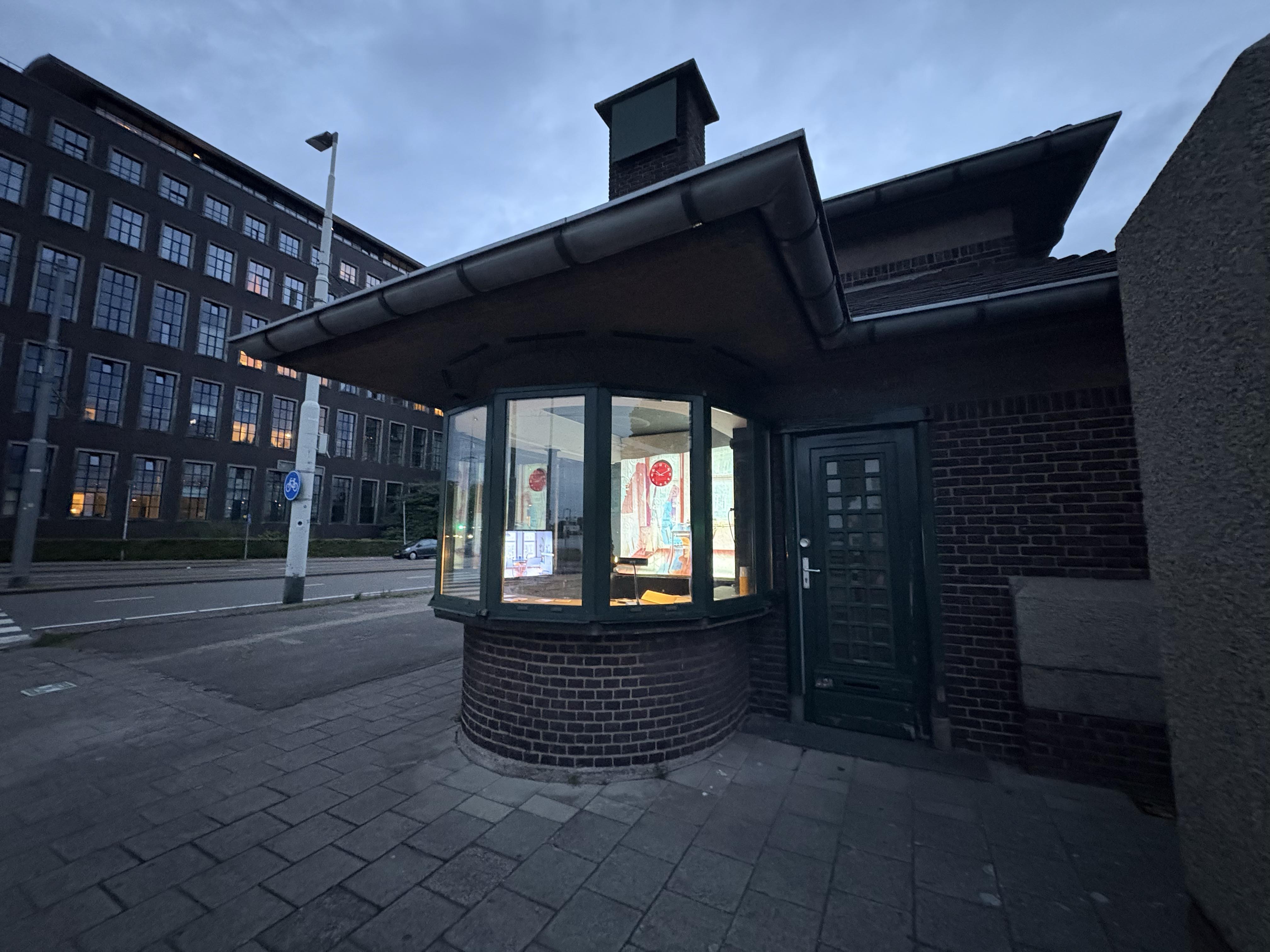
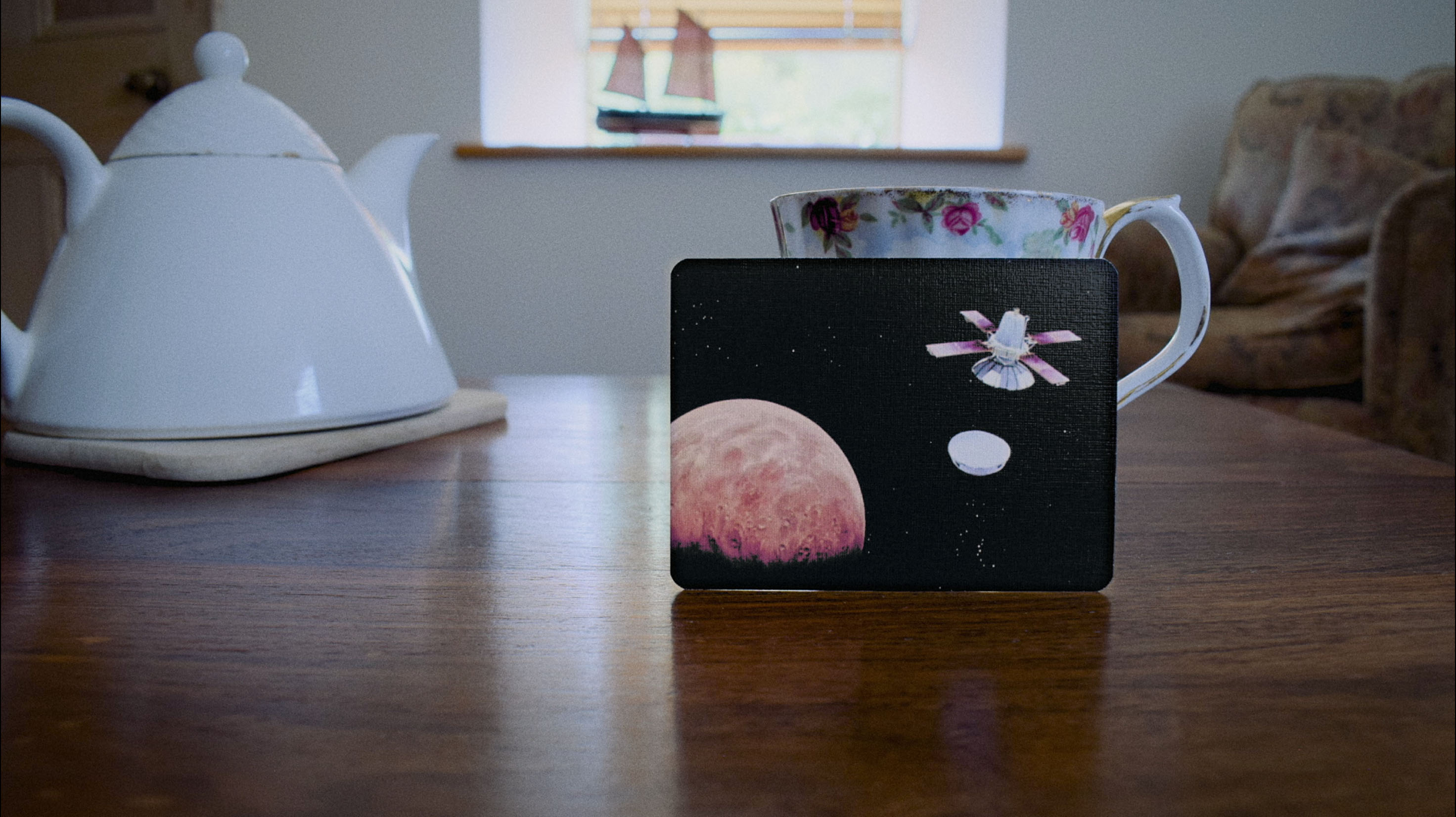
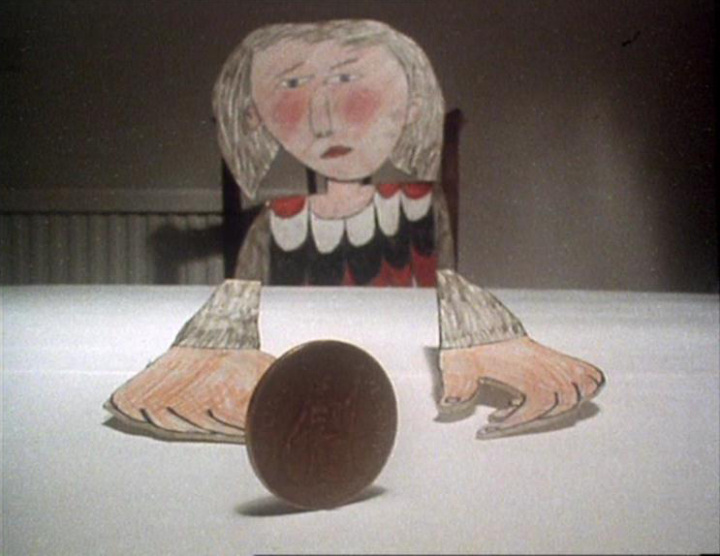
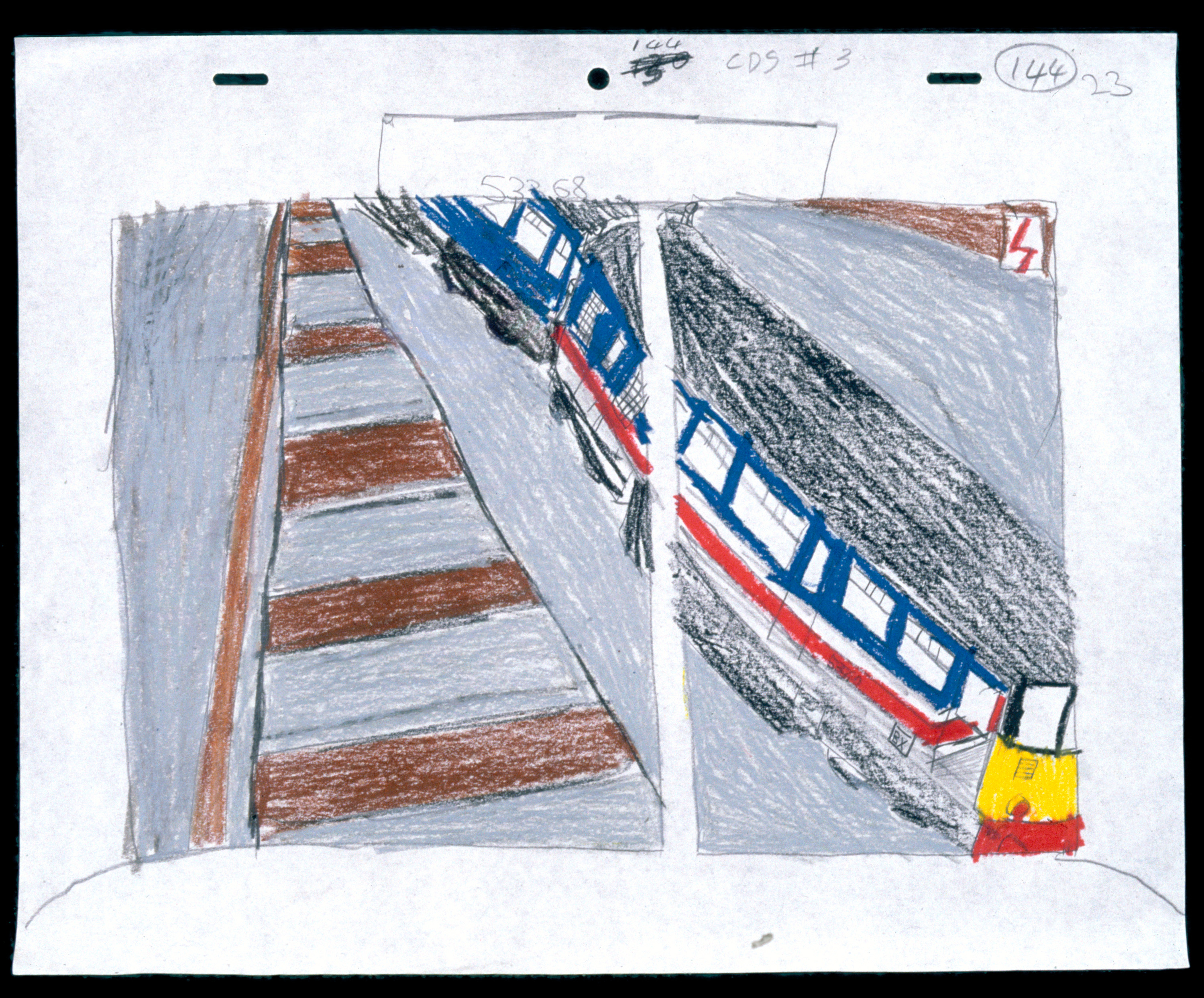
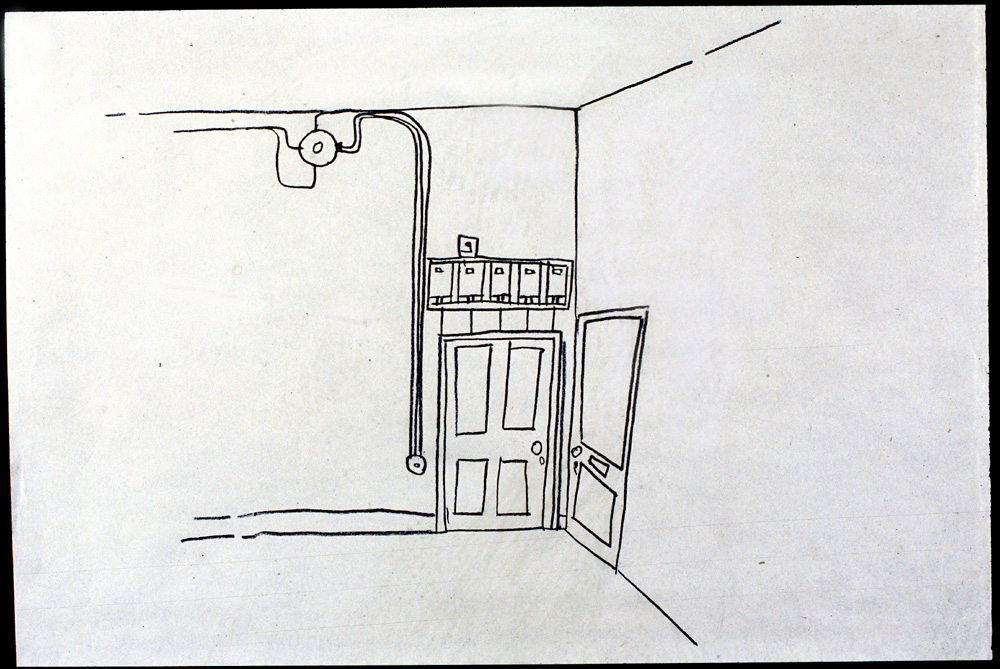
    L-R: installation How Now, House?; installation 1976: Search for Life; film still 1976: Search for Life

    Episode transcript:

    CM: Could you introduce yourself and tell us a little bit about your practice?

    TM: Sure. I am an artist filmmaker based in Rotterdam in the Netherlands. I’ve been here since 2014. I have a fine art background, I did a Bachelor of Fine Arts at the University of Brighton, which is where I started making experimental animation. And then I did more recently a master of animation at a Dutch art academy called Saint Joost. And I have been making short films, but also installations, and I often do multiple versions of the projects and they develop concurrently. So I may actually first work on an installation version with the knowledge of the short film version in my head and then the short film version and then maybe come back to the installation. It all depends on opportunities for exhibition and funding. So it’s all it’s all a bit a bit of a mixture right now.

    CM: Could you talk about how, once you have decided what you’re making, what the form of it is, how you would approach those different forms differently?

    TM: I think I think it’s quite straightforward. For example, for this film that I finished a few years ago called 1976: Search For Life, I first started developing the installation version, and that that was only because I was interested in somehow displaying all of the research I had been doing. So I had physical objects. I had these vintage magazines from the 70s that related to the NASA Viking mission. And I had, um, some physical objects from this trip that my family took. And I had a video I had made that was kind of imitating an old school like slideshow movie that you would look at with relatives, like, I kind of kachunk slideshow. So I was trying to figure out how to bring all of this together. And the first natural way of doing that was, like, physically in a room with a soundtrack on headphones, which is something that I have started doing often. So even though it’s an installation, there’s still a very clear time based component because the, the viewer is walking around with these headphones on. Oh yeah, I also had this, like, model of Mars I had made that was rotating. So it was almost like a brainstorming way of figuring out how do they connect? What are people responding to? How do people behave in the space, and what does that say about the work and how they are interpreting what they’re also listening to at the same time? And then I use that opportunity to interview the people on their way out. So this is kind of part of the research phase. And then I can see what stuck with people, what really didn’t stick with people, what was missed, what resonated. And then I started doing more film experiments. So I started playing around with photographs in different ways. And and I started to really focus on frame by frame visual experiments, which kind of replaced that first film that I mentioned, the kind of slideshow film and that became the main film. And then I rethought the installation and realized that a lot of the ideas I had, I was brainstorming with at the beginning, I had incorporated into the film, so I didn’t need, for example, the magazines and the the tiny model of Mars and all these objects. And instead I made an installation with the video as like the focal point, but with a special television cabinet within which the monitor is placed and a special set that is kind of a fake Mars set that people walk into when they are watching the video. So I guess that’s what I mean by like they happen concurrently and and they influence each other so that the installation and the film are both quite different by the end. I hope that answers your question.

    CM: Absolutely it does. And it kind of leads to another question I had, which is to do with the materials that you use. If looking back over your body of work, there’s such a range of materials from analog 2D running through computers and 3D spaces. How has that evolved in your work and what’s that relationship for you between the materiality of what you’re using, and the themes or the stories that you’re telling?

    TM: Yeah, I mean, it goes back right to the beginning. You know, when I first started playing around with paper cutout animation, and the reason I even got into it at all was because of this puppetry show that I saw at the Edinburgh Fringe Festival between my first and second year on my Bachelor, and it was quite a well-known British puppetry troupe. And they they perform with the puppets on the stage without the puppeteers being hidden. And they’re often performing with the puppet that they are also manipulating. And I was so blown away by this idea of – the method is on display. The artifice is evident and yet we are still engaged. And in fact it just makes it more interesting. So this idea is what I took back with me, and that relates to the materiality and why I started, I think, using paper. And then for a long time I was using handmade papers, like papers with textures that were backlit, that were very clearly paper, there was no, you know, trying to make a photorealistic, you know, puppet of a human or anything. It was very accessible, cheap material that I could get stuck into very quickly. And for a while I was using these, these papers, and I think I was attracted to the paper because it was very delicate and it was easy to make it look really different depending on the lighting and depending on the layering, so I was. I liked this idea that the material might look like something when you’re looking at it with your eyes, but then in the film it’s quite different because it’s like arranged in a specific way. And so it kind of made it more performative. The ultimate answer is, I think I get bored quite quickly, so I need to stay engaged. And I enjoy experimenting with different techniques and what they can do that a different technique can’t. So each project is kind of different and sometimes it changes like sometimes I start with with one thing and then I’m like, actually, I think it needs to be this or it doesn’t need to be, you know, paint on glass, it’s not required. And actually, you know, something else might be more appropriate. So I try to stay open and I try not to start from like, I want to use this technique. I try to let it be led by the concept first.

    CM: It’s interesting you mentioned the kind of the artifice of the animation and the image, because that’s something that scholars have talked about in relation to ideas of authenticity and the actual credibility of animated documentary as a form of documentary in documentary. So much of the storytelling decisions are hidden, and increasingly with the kind of post-truth new media ability to construct any kind of an image or any kind of a story that actually, by being transparent with the artifice, you are critically engaging an audience in the fact that what they’re watching isn’t a direct recording of reality, it’s an interpretation of reality.

    TM: Well, yeah, I mean, I that resonates with me for sure. That is something that these, that these techniques do. Is it makes it very clear that this is a manipulated thing. And the interesting thing is when that still leads to truth in a sense. It’s much more interesting to me to have this supposed gap that is being bridged than to just have like a “real live action filming”, which can also be very interesting. And, you know, I completely appreciate that also on a different level. But then I’m focused on like the editing or like, are these people actors or are they subjects that are being interviewed? And some filmmakers play with that very nicely, one of my favorite documentaries of all time is called The Arbor from 2010. And I just love it. I watch it like once every few years because I just find it so inspiring. And I mean, that’s, you know, a live action documentary, experimental documentary. But I just love the way she plays with artifice and the fact that she’s hiring actors to play the characters. So there’s a lot of, like, doubling and layering And the real people are interviewed, but it’s actors who are lip syncing the words. And these types of things, which I think are a great way of using the medium. So they’re really taking advantage of the medium. Like – what can film do?

    CM: And when you are working with real things, or working with that idea of some kind of truth telling, do you have a sense of how you navigate that truth? Finding your story and finding your truth in that that big amorphous thing of reality?

    TM: In a way, I’m quite lucky that I’m not trying to tell some, like, objective truth story, you know? Most of my work comes from a personal place and is, you know, my interpretation of a situation or of events. And of course I love research and I love all of that. And I am very conscious of how the work purports to represent things in the world, but I don’t claim to be making the end all and be all truth about a certain subject. Nor would I want people to think that I was. I try to to first do a ton of research, to really feel like I’ve gotten a handle on it and like all aspects of it, as much as I think is necessary, and then try to focus on what is my relationship to this topic and how how do my thoughts interpret this idea. And that is truthful. It’s just it’s it’s just my version of it, which I hope, of course, that that is relatable and accessible, but it is always going to be my point of view. For example, this film I just finished about the house that I lived in for a long time. It covers many themes. It’s a 13 minute short. On the one hand, it talks about like literally the history of the house and like the people who lived there and these kind of factual things. And then it also kind of talks more philosophically about theories about time, which of course are there are a few different theories about time and how time works. That’s also not absolute. I was using the work of one particular theoretical physicist called Carlo Rovelli, who whose books I really found accessible. You know, I am not a theoretical physicist. There might be theoretical physicists who watch this film who might be like, aha! But that is just one of the theories. And actually and it’s like, cool, that’s totally cool. That’s I’m using this as a way to talk about something. And I’m not saying that this is, you know, how time works. So similarly for that film, there was a lot of factual information about the previous residents of this house. And also I interviewed my housemates, but at a certain point I chose to hire actors to read the lines that I wrote for them. So I wrote dialogue for the historical residence based on the real facts, you know? So, like, the names are real for the most part, except for a few that I that I thought sounded better. And then there was also kind of a practical reason for this, because of the privacy laws in the Netherlands, I don’t actually know who lived in the house after like 1965 until like 2012 when we moved in. So I also wanted to fill that gap. So I kind of made up a couple residents, who lived there in the 80s and 90s that were kind of based on educated guesses about what we found in the house when we moved in. And I hired actors to reinterpret some of the lines that my housemates had said in our interviews, because I wanted it to be a bit distant, like I just felt it needed to be… a bit fictionalized, really. And for the film, I think it was appropriate because in this way we get to hear from all of the residents equally, even the ones that that I wouldn’t have been able to interview because they’re no longer with us. So it kind of plays with this idea of time and like, wait, who are these people? And are they real and are they not? And are we listening to them now or, you know, when are we? Um, but I but it was important to me that everything they said was based in fact, because that’s already very interesting, like the the existing history of this house and these people is in and of itself already very fascinating and interesting. And that’s kind of what the film is about, was like this rich tapestry of people’s lives. I don’t need to make that up because that’s already the reality is already interesting enough.

    CM: So you’ve talked a little bit about time as being a really strong theme in How Now, House? It also runs strongly through 1976: Search For Life and and some of your other work. Is that something that has developed over the course of your work, or was that something you were really interested in from the beginning?

    TM: No, I think it’s a relatively recent theme that I’ve been stuck into for a while now. I think it all started when I started to get into family history research. So it was something that started from a non non-artistic practice place, and then it bled into my practice, and I started really being concerned with history and the past and our relationship to it, and how impossible it is really to truly know what happened or what someone else’s experience was. But we are still trying, we still want to. So this this urge that we have, I think is very interesting and worth highlighting despite its limitations. So the 1976 project started when I found this travel journal that was written by my father during this trip that him and my mother and my eldest sister, who was a baby, took. And so I was fascinated with this moment in my father’s life, when he was really at the beginning of his life as a father. He was going back to Scotland with his mother to try to investigate his roots. So he was kind of at this cross point in his life, which is a very different type of life than my life. And I’m in fact older now than he was at the time of this journal. He he also, coincidentally, happened to be writing about the NASA mission to Mars that was happening that same summer. And this idea that he was already accessing this dialogue between these two things, that he was on a trip and humanity was on its own trip at the same time, and how interesting that was to him. So I was going on also on a trip. So there’s three trips happening in this film. So that that was kind of the start of that project. And then I started to think of different ways to “go on this trip” towards this moment in the past, in my father’s life and feeling like you are getting as close as possible or or maybe have stepped into kind of a wormhole time situation where where everything is colliding and everything is happening at once, and each trip ends in a kind of bittersweet way. So kind of dealing with that also, and yet moving forward, that’s where that came from. And then at the same time, I was developing a different project, a very, very short film where the theme of time also came into it and also used this photo replacement technique in a different way, kind of more art history related, which was kind of related to letters I had found written by my mother to her mother. And this idea of photo replacement changed for How Now, House? Because in the the first two films, 1976: Search for Life and Still Life with Woman, Tea and Letter it’s literally a photo replacement of an image sequence, right? That comes from a video or originally a millimeter archival footage. So I’m like literally replacing the next image in the sequence, which, you know, animators will understand what that means. But for the house film, I started to realize that I could use a deck of playing cards in the same manner. So this theme of playing cards became kind of a metaphor in that film. And then I could shuffle the frames of the film itself, just like you would shuffle a deck of cards. And how this spoke to the interchangeability of time. And that’s what that project was trying to focus on, was like multiple people’s timelines together in one house. Anything sequential is you could you could make this argument for us somehow playing around with that sequentiality of whatever it is, which is kind of taking animation to its most basic definition. Right? Which I think is actually time. So the theme of time is inherent in any especially frame by frame animation, because what we are doing is we are manipulating time when we are making the film. So in that sense, I guess I’ve always had a theme of time, but this time it’s it’s more literal.

    CM: I wanted to talk a bit more broadly about animated documentary or the animated nonfiction space. You’ve been working with animated nonfiction now for well over ten years. How have you seen that landscape evolve in terms of either the films that are being made, audiences or commissioning?

    TM: In terms of commissioned stuff it used to be that most of my commissioned work was for other people’s documentaries. So other people are making a documentary, and then they want some animation, they want like five minutes of animation in it, and I haven’t done it in a while, mostly because it’s just too expensive for people. And to be honest, now with with AI, I’m not sure how long this will keep going. You know what I mean? Because a lot of these scrappy productions have other options now to to fill the gap that animation had been filling. So who knows what’ll happen there. And in terms of animated shorts that are that are documentary based, I don’t know, to be honest. I mean, I still see some, some delightful independent short films, at festivals and stuff, but I can’t say that I’ve seen a film like The Arbor recently, that that has completely changed my life or like, redefined to me what documentary could be, or what animated documentary could be.

    CM: I think there’s often a bit of a gap between what animated documentary could be and what it so often is. A lot of my PhD work was around that, and it was looking at the kind of contexts that the work is made in, the production contexts, distribution, exhibition contexts that animation lives in industrially. And also that documentary lives in industrially. And how it’s very difficult to marry those within the markets in a way that is well supported. Additionally, and probably because of that, there’s maybe some skills gaps in production. But I think that because of that, it can be very difficult for very ambitious work and particularly long form work to get made and to meet its ambition, which I think is why we see such exciting work in a short form space, very rarely scaling up.

    TM: Yeah. That’s true. Yeah. I mean, here in the Netherlands, sometimes there’s a couple of funding schemes that fund interesting work from artistic makers. There was a fund that was a collaboration between the Mondrian Fund, which is the Arts fund, and the Dutch Film Fund, and it was to fund first feature films by artists. And there was a couple kind of interesting films made through this scheme that would not have otherwise ever been made. One of them was by Fiona Tan, and it was it was using archival footage of the Netherlands from the 1920s, juxtaposed with letters written to her by her father in the ’70s. So it was it was also kind of dealing with time and the past and the incongruity of these two things, which was, yeah, interesting. It was interesting. I don’t know if it really needed to be that long for what it was, but I appreciated it. And you get a lot of funds that are trying to push new technology and new technological developments. So I do sometimes see some kind of creative and interesting VR projects that I’m curious about or even like video game projects, which are cool. You know, it’s it’s not my medium, not right now anyway. But I think that’s great to encourage this new stuff because it’s very interesting and inspiring how some people are using these technologies. But it is always kind of funny to me that the funds are like ultimately trying to fund technological research, like the arts funds are trying to push their country’s edge in the technology fields, which is like, okay, there’s, you know, as someone who does frame by frame animation with basic materials, sometimes it’s like, okay, but just because it’s new doesn’t mean it’s… what about what about the existing techniques.

    CM: Can you tell us what you are currently working on?

    TM: I’m working currently on a longish short film that is that is not documentary in any way. It’s kind of a science fiction story. Having said that, there’s a lot of real research gone into it because it’s kind of a multiverse story. So there’s a couple different like settings and different timelines, but it’s about an otherworldly creature who is traveling around observing humans and starts to relate to them. It’s like a photo cutout technique. So as opposed to photo replacement, which we were talking about, it’s like literally actor footage that has been cut out. The video is turned into an image sequence at a specific frame rate, and then these are printed and cut out and then animated on the multi-plane. So it’s it’s kind of a weird flat perspective. So that’s that’s what I’m doing now. I’ll be working on it for a while, but I’m also developing the installation version of How Now, House? that I’m going to be displaying in a little tiny space here in Rotterdam that’s in and of itself, a little old bridge watcher kiosk. And then I’m starting to maybe visit some festivals with How Now, House?. The European premiere will be in Sheffield, actually, in an about a month and just trying to plug away, plug away every day.

    CM: And where can people find your work?

    TM: There’s a lot of stuff on my website and I have a newsletter that I send out maybe every six weeks with updates and stuff.

    CM: Thank you so much. It’s been absolutely brilliant talking to you.

    TM: You’re welcome. Thank you.
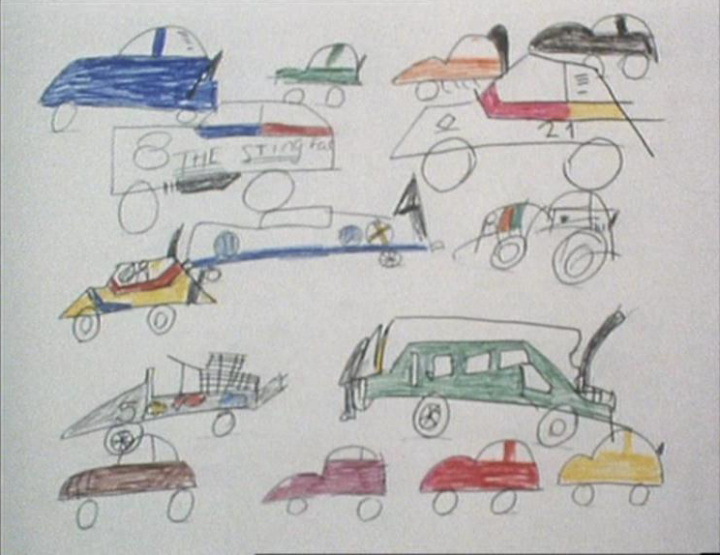
  • Tim Webb is a director and animator whose pioneering work in animated documentary continues to inspire new generations of filmmakers. He graduated from West Surrey College of Art and Design in 1986 and went onto make multi-award winning short films including A is for Autism (1992), Mr Price (2004), 15th February (1996), and Six of One (2000). He has worked as an animator commercially and has taught at a range of UK institutions. We talked to Tim about his seminal animated documentary A is for Autism, and his work as an animation director on the 1998 animated documentary Silence (dir. Sylvie Bringas & Orly Yadin).

    Was A is for Autism the first documentary you made?

    No. I made a film at Farnham in my third year called Smoke Ring. It was about the politics of smoking. How tobacco companies were sponsoring arts and sports events to give some kind of respectability to their products. It was based on a book by Peter Taylor called The Smoke Ring

    Was that quite an experimental documentary? Did it have a voiceover?

    It had tiny bits of scripted voice I wrote based on empirical research from attending tobacco sponsored events. I suppose it’s technically not documentary, because of these scripting sentences from memory. I also made-up speeches in the house of commons, and I had an opera singer sing rewritten Gluck opera to sing about tobacco companies… so it was a mixture. Invention mixed with fact, and a lot of fact was based on Peter Taylor’s book, and on empirical research, and drawings and photographs. The intention was to be a diatribe against the hypocrisy of government and how the tobacco companies associated their projects with sport and art. I’d always thought it was an animation documentary but maybe it’s not. 

    How would you define documentary?

    I think this is a big question, and papers and books have been written trying to define this. But I like the point Beyza Boyacioglu raised in her paper Animated Documentary: Representing Reality Through Imaginary, where she argues that animation, by its very nature of construction being contrived, is upfront about not being ‘real’, and therefore possibly a more honest form in retelling real stories. In the live action documentary The Thin Blue Line (dir. Errol Morris, 1988), re-creation of the real is upfront in a similar sort of way. In A is for Autism, one of the contributors didn’t want to read his own words, so I asked another person from the Autistic community to say his words. I do not state this in the film, and perhaps should have?

    A is for Autism (dir. Webb, 1992)

    Who was A is for Autism commissioned by?

    Channel 4. Claire Kitson commissioned the film for a disability season a year ahead.  I was lucky to have had this chance, as it was special time when terrestrial television commissioned independent animation shorts. Having made my BA film about the politics of smoking also helped in her decision, as I was aware she liked that film. 

    Who else worked on A is for Autism?

    The producer, Dick Arnall was crucial. Animator Ron Macrae, who I went to college with and collaborated with there, and since. There was a small team of colouring artists – Jayne Bevitt, Sarah Strickett and Ian Wells did some of the colouring [full film credits are listed at the bottom of this article]. Daniel Sellers was the autistic animator – the nine-year-old. It was amazing because I was given so much freedom. I didn’t even have to do an animatic. It was based on a storyboard really. 

    What was the brief?

    Well, I suppose the brief was to make an animated film about, and in collaboration with, people from the autistic community. Initially I pitched an idea for the Arts Council of England ‘Animate’ scheme, in its first year of the funding. I’d seen this BBC programme ‘QED’, based around four autistic people with genius qualities, and one of these people was Stephen Wiltshire. Stephen was nine years old at that time and the film showed him in London, looking at famous buildings, then showing him back in class, drawing these buildings from memory and in mirror form, expressive but also accurate. I was amazed by the sophistication and energy of the drawings, and I bought some prints of his, having watched this programme.  

    On wanting to apply for the ‘Animate’ fund, I discussed ideas with my partner (wife, ex-wife, friend) around a film about London, based on a collaboration with Stephen Wiltshire. She suggested I also make it about autism, I think, so I went to the library and got a couple of books. In one I found a list of ‘autistic traits’ some people may exhibit. I put something in for the deadline, last minute, a sort of storyboard. My idea included the intention to collaborate with Steven Wiltshire and aimed to try and link living in a large city, like London, and how we all display ‘autistic traits’ in daily interactions to cope with it. It was a bad idea. But the commission panel liked the idea of the collaboration, so they contacted me to investigate the possibility of a collaboration with Stephen. That’s when I met Dick Arnall who was crucial to the projects outcome and what it became.  This initial idea got no further because Stephen Wiltshire now had a literary agent who taking care of his interests and was also taking him around the world and making a second book with him. She refused the idea. But this disappointment became my big break, as Claire Kitson from Channel 4 wrote to me and offered development money to search out a new idea – based in autism and collaboration – for possible inclusion in a disability season planned a year ahead. I then started to research the subject more and try to find collaborators. I was given six weeks. It took about twelve weeks to find a list of collaborators and to come with a new concept, based on lots of phoning and visiting different communities around the UK. Lots of research by Dick Arnall and myself, and contacts led to other contacts. Elizabeth Newson was crucial in linking me up to about half the contributors. So, my original idea was not a film about Autism, but it ended up being the film I am known for.  

    Do you think the fact that it was animated affected your relationship with the contributors? Do you think they were more open to it because you weren’t pointing a camera at them? Did they understand what you were trying to do with it?

    I don’t know. I think it would have been very difficult doing it in live action because I wouldn’t have known much about how to do that. In fact, we did film Daniel. It was a big issue whether he was going to be in the film, because he was nine at the time and he was attending mainstream school. But he did decide he wanted to appear in the film, and I interviewed him, asking about his animation after it was complete. I used to take the animated line tests to show him on next visits. Also, we filmed him drawing, animating, to use in the cut.  I should stress that he did animate all his own scenes and myself and Ron (the other main animator) were his inbetweeners.

    How did you decide on a visual style?

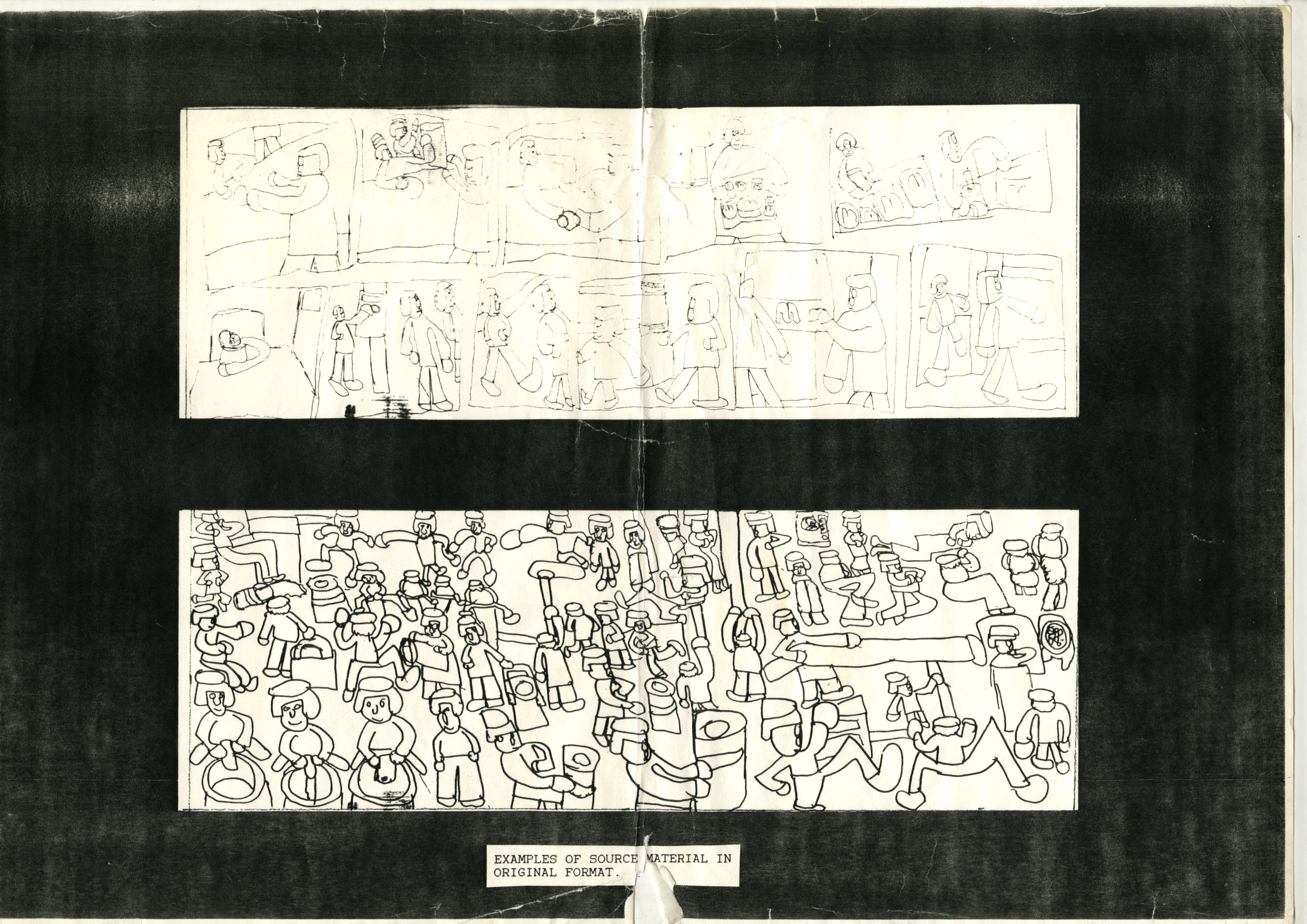
    I think this is the first time I had tried to mix live action with animation. My college BA film, though animated, was made more like live action documentary in that the structure mostly came in post-production. In A is for Autism all the drawings were based on other people’s drawings, so all the animation was based on other people’s drawings with the aim to be as authentic to these as is possible when animating. The live action was mainly recreation shots based on certain ‘common traits’; it wasn’t documented. I wanted to divide certain topics with these montage repetition sequences.

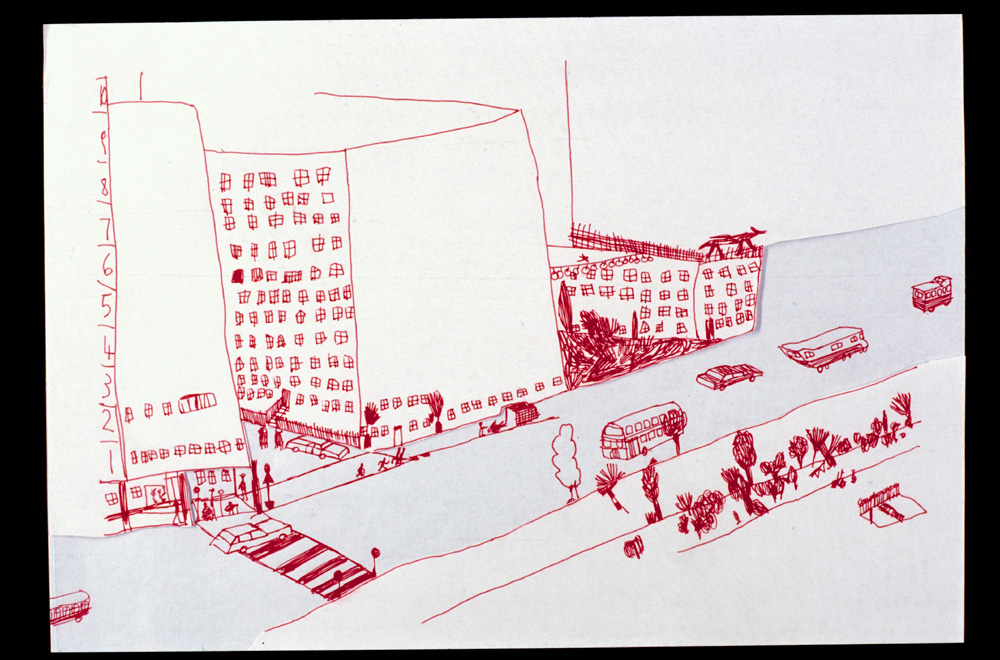
    A is for Autism source material, Daniel Sellers (TL), Stephen Quinn (TR), Nicky Braithwaite (BL) Christine Taylor (BR)

    And how did you settle on the idea of using their drawings?

    I suppose that came through liking Steven Wiltshire so much – the idea of animating his drawings. It took some time to find Daniel. I had wanted to make film with more than one autistic animator collaborator, but it became impossible, for the deadline, to do that. We found artists but they but were not really interested in animating. One contributor didn’t want to read his own words, and one amazing artist who made beautiful drawings of cooling tower just had no interest in the concept of being paid money and animating. So the content was somewhat decided through finding contributors, and Daniel was an exception and one person who was up for it. 

    So were you working on a tight timeline?

    Nine months. So, it was a proper production with a broadcast date a year ahead. Many animation commissions made for Channel 4 films at that time did not have this, they were put on a shelf and scheduled later. 

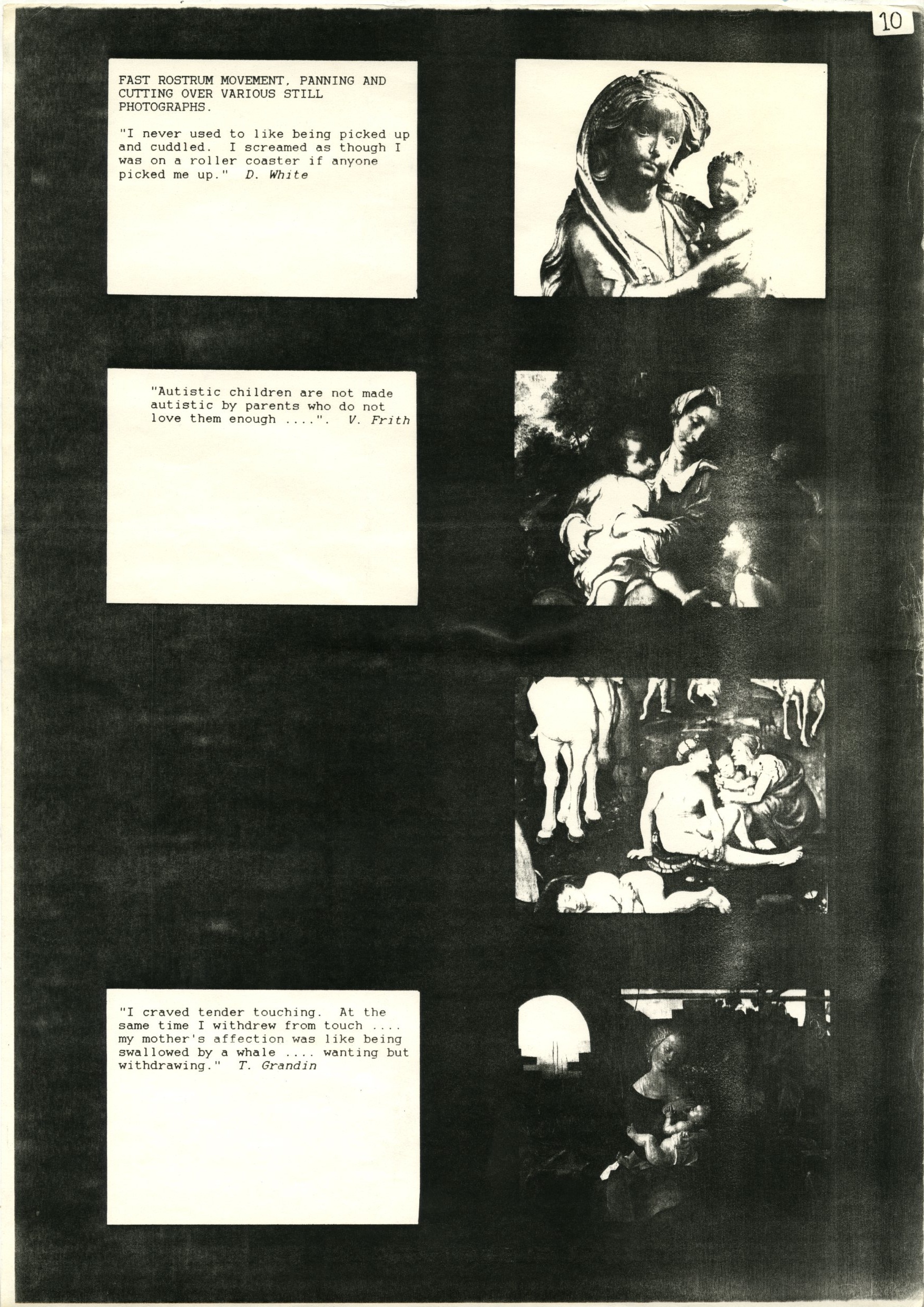
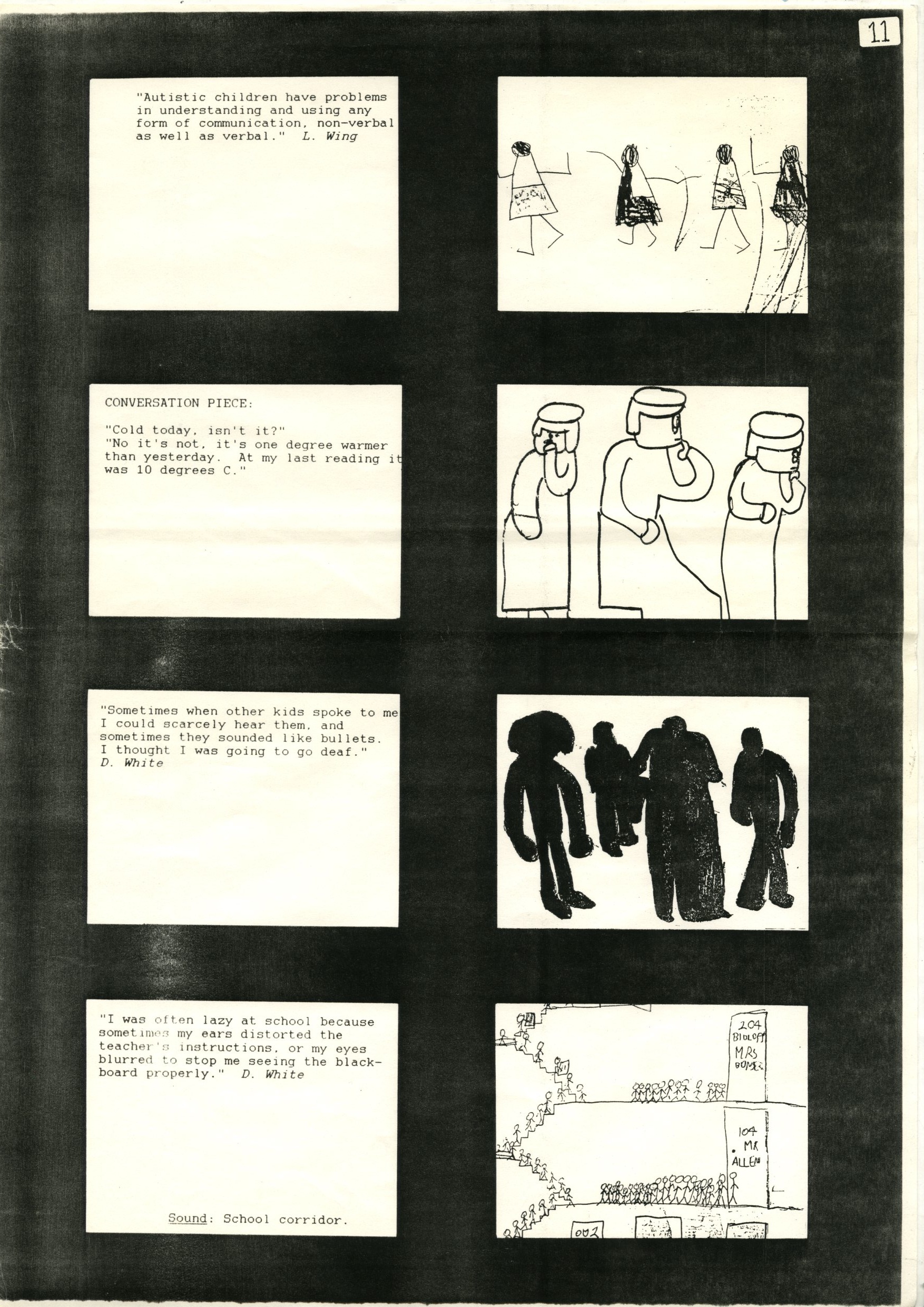
    A is for Autism storyboards (Webb, 1992)

    How many animated docs have you been involved with since then?

    Well, I did a bit of work on Abductees (dir. Paul Vester, 1995).  I started work on the woman levitating out of the window sequence, but the final outcome was not animated by me. But I have a credit for which I’m thankful. I think one or two backgrounds were mine.

    Then you worked on Silence (the story of a a child holocaust survivor, directed by Sylvie Bringas and Orly Yadin)?

    Yeah. I was given a script to start to visualise. The script was an edit, I think from a musical stage performance which Tana Ross (the film’s narrator) had been involved with. So the film initially was a reduced edit from that stage performance. I was trying to storyboard and work it out and it wasn’t going so well. And then the directors came across the artist Charlotte Salomon, and they showed me her amazing sequential paintings. So I then I started to storyboard straight into small paintings, no drawing, in gouache, using her as a massive influence. And then it went a lot better.   

    So you did some of the animation, and Ruth Lingford did the other bit?

    There are also small sections of archive footage.  I directed the Swedish section, and Ruth animated all the Theresienstadt sequence. I didn’t animate all of my section, Ron Macrae was the other main animator on this section. And Filipe Alcada and Liz Loveless did some small scenes. We had a group of painters who were painting each full frame of animation, using my gouache painting as a guide, but they needed to tighten my style up a little, because my paintings were quite loose. So, each frame is different, the drawings placed on light boxes and then painted on thin watercolour paper. 

    Silence (dir. Yadin & Bringas, 1998)

    Did you know what Ruth’s section would look like? Were you encouraged to create styles
    that worked in compliment to each other?

    She was in the same building, in a different room and floor. We had a definite idea of what each of us was doing. Orly and Sylvie were overseeing how they wanted the film to be, and directing this. So, my lead came from them and the significant influence of Charlotte Salomon. But I suppose our styles of representation and characterisation do connect.

    Do you know why they wanted the two sections to be visually different?

    They were depicting the different periods of Tana’s life. My section was her time post war in Stockholm, a young lady facing the ‘silence’ of the war years. Ruth was animating the childhood period. 

    Your section is in colour and Ruth’s is black and white. Did you get direction in terms of that – were you briefed to work in colour?

    I think the directors always wanted it to be colour, but it became completely based on Charlotte Salomon’s art. Some of the scenes are like her paintings. I didn’t have a big problem with being so influenced by her work because of the subject matter and similarities in their stories, though Tana survived the Nazis and unfortunately Charlotte didn’t. Charlotte Salomon’s work is amazing. 

    What would you like to see from animated documentary films now?

    I suppose I’d like to see more commissions in the mainstream. I’d like to see it move beyond overuse of voice, as the dominant form of storytelling. 

    ___

    You can find more of Tim Webb’s work on Vimeo and Instagram

    A is for Autism film credits Directed by: Tim Webb; Based upon drawings by: Nicky Braithwaite, Stephen Quinn, Daniel Sellers, Christine Taylor, Darren White; Animators: Ron MacRae, Daniel Sellers, Tim Webb; Colouring and rendering: Jayne Bevitt, Sarah Strickett, Ian Wells; Narration spoken and contributed by: Temple Grandin, Luke Hemstock, Stewart Hogg, Daniel Sellers, Justin Sutton, Darren White, Matthew and Sheila Baguley, and others; Mother performed by: Jean Stanley; Lighting camera: Dave Affleck-Green, Colin Hawkins; Rostrum camera: Heather Reader; Music performed by: Alan Carter, Thomas Wickens; Variations/improvisations  arranged by Alan Carter; Editor: Matthew Dennis; Dubbing mixer: Colin Martin; Consultant: Professor Elizabeth Newson; Produced by: Dick Arnall; Production company: Finetake for Channel Four

    Interview by Carla MacKinnon

  • Lucia Lambarri Barberis is a visual artist from Cusco, Peru, whose practice is rooted in walking through the Andes. Her 2024 short film I Walk While Glaciers Melt is a personal meditation on time and place, and has played at festivals including Tampere Film Festival, Tricky Women Tricky Realities, and the Science New Wave. We talked to Lucia about her work, and the process of making the film.

    Can you tell us a little about your practice?

    My work explores the intersections of identity, body, landscape, water, and mountain, reflecting on tensions between notions of progress and the unmediated environment. Central themes include relational animism, Andean culture, flux, and transformation. My creative process spans drawing, sculpture, installation, site-specific interventions, photography, animation, and filmmaking. I Walk While Glaciers Melt marks my debut as a filmmaker, following my studies at the Royal College of Art’s MA Animation and a BA in Painting from the Pontifical Catholic University of Peru (PUCP) in Lima, Peru.

    Where did the idea for the film come from?

    It emerged from walking and the need to share the everyday experiences I had while wandering through the Andes of Cusco, as well as my concerns and anxiety about the melting glaciers and witnessing how the rural environments I cherish are being transformed into concrete monstrosities. This film is a search for answers to an environmental crisis that overwhelms me. I walk, draw, and create because I cannot change what is happening. These actions —which form the core of my practice and personal ethics— present themselves as the only possible response to this reality that surpasses me.

    How did the visual style develop?

    It began with photos and drawings, and a timeline that focused more on conveying the main ideas than on a fixed visual style. It felt like a puzzle—a completely process-based approach where one piece naturally led to the next. My process wasn’t linear; I didn’t follow the usual steps of storyboard, animatic, and final render. Instead, it was an ongoing conversation between footage, drawings, and texts. Initially, I planned to make a purely animated film, but as I assembled the timeline, I realized that some of the recorded footage felt complete on its own. This led me to create transitions between these two “languages” of live-action and animation, letting them coexist.

    Visually, the film evolved through a fusion of mediums: live-action footage interweaves with hand-drawn animation, watercolor, 3D animation, and 3D scans. It became a kind of palimpsest, layering diverse techniques to explore a reality rich in meanings, layers, and interpretations. My process was organic, more like writing a poem than following a fixed script.

    How has your painting practice informed your animation and filmmaking?

    My background in painting and visual arts forms the foundation of my approach to animation and filmmaking. It’s the core of my practice, shaping not only my visual language but also my way of thinking and creating. Painting taught me to work organically, to embrace intuition, and to let each piece develop through a process of exploration and emotional response.

    You describe the film as a ‘visual essay’; were you always planning to make a film in this form?

    No, I didn’t plan it that way from the start. At first, I didn’t really know what I was making. The project slowly took shape on its own, and this form was simply the one that fit best. In addition to being a visual essay, I see it as an autoethnographic film—deeply connected to my personal experiences and to my relationship with the landscape and the collective. The essay form felt natural because it allows for experimentation and layers of meaning. I was inspired by filmmakers like Agnès Varda, who saw cinema as a way of wandering—both physically and mentally. Her work blends found objects, everyday moments, and a reflective gaze, creating structures that feel more like a conversation.

    Structurally, my film unfolds as a journey upward and backward. It traces how Andean people have inhabited their territory—from cities to farmlands to nomadic herding routes—and ascends through the ecological layers of the Andes, from the Quechua valleys to the icy peaks of the Janca. At the same time, it looks back, drawing inspiration from the tradition of Andean miniatures: small representations of beings, objects, and everyday or ceremonial scenes that hold not only daily life, but also the deep symbolism of Andean thought and its evolving relationship with the land.

    How did you approach working with ‘reality’ rather than a fictional subject matter?

    I did a lot of research, but beyond that, one of my main intentions was to approach everything with respect—while also staying honest with myself. I kept asking why I was making each decision, trusting my intuition along the way. I also shared the film-in-progress with a range of people—some unfamiliar with the Andes, others more closely connected to the region. That feedback was essential to understand how the work resonated across different contexts, and especially whether it felt too abstract or difficult to grasp. Being in the MA environment enriched this process too; the diverse perspectives of peers and tutors helped me see the film from angles I hadn’t considered.

    The film has screened at some great festivals. How has it been received?

    I feel deeply honored by the way the film has been received. One of the most interesting things has been noticing the kinds of programmes it has been selected for. Each festival has its own focus and curatorial vision, so it’s fascinating to see which “families” of films it gets grouped with, and what elements they choose to highlight.

    Curiously, most festivals have framed it as a documentary, and that’s where it’s found the most resonance. Audiences who connect with it often respond to the mixed-media approach, the poetic language, and its non-linear structure. The Q&As and discussions are my favorite part; people often ask about the rituals present in the film, the sound design, and the technique. It surprises me every time, and the festival world is a constant learning experience. It has also allowed me to meet incredible people. I loved attending the Tampere International Film Festival 2025 in Finland and Tricky Woman Tricky Realities 2025 in Austria—and it’s still a mystery to me what paths the film will take next.

    What are you working on now?

    I’ve returned to painting and the visual arts as a way to expand and deepen my exploration of the themes that move me, in parallel with in-depth theoretical research. I’m currently gathering stories for my next film, which will explore the “point of view” of Andean miniatures. The film will also engage with themes such as relational Andean animism, human perceptions of territory, and shifting notions of progress.

    I Walk While Glaciers Melt can be seen at the upcoming Royal Anthropological Institute Film Festival in the UK. Lucia Lambarri Barberis’ work can be found on her website and Instagram.

    Interview by Carla MacKinnon

  • Open City Documentary Festival is underway, and alongside a rich programme of documentary films the festival includes a selection of immersive and interactive documentary pieces, in their Expanded Realities exhibition. 

    In recent years, expanded strands at documentary festivals have become increasingly common. They offer a great way to experience what’s new in the creative convergence of animation, art, technology, and documentary film. The Open City exhibition showcases several animated and partially animated works. These include The Subterranean Imprint Archive, directed by Francois Knoetze and Amy Louise Wilson, a VR experience that presents a ‘counter-archive’ tracing the legacy of technopolitics in Africa. Infomorph directed by Arash Akbari and Farzaneh Nouri, looks at the relationship between human, machines, and nature through speculative storytelling and experimental imagery. Gondwana, directed by Emma Roberts and Ben Joseph Andrews, is a virtual environment that responds to climate change data projections, exploring possible futures of the world’s rainforests. Surfacing (Affiorare) directed by Rossella Schillaci, portrays mothers and children living in prison – reality, memory, and dreams combining in a visually distinctive world.

    Surfacing (Affiorare), 2022

    Animation is a natural fit for VR and immersive projects, and expanded production has become a space in which animation (or non-photographic imagery) is embraced and integrated into documentary storytelling in a way not always seen in more traditional documentary. The experimentation inherent in these emerging forms of storytelling creates an unrestricted environment for exploring reality, an exciting space in which genre conventions are not yet concrete. 

    However, it can be difficult for general audiences to access expanded works in their intended forms. Most people don’t own a VR headset or have access to high-spec hardware, and site-specific installation work is, by nature, geographically limited. Film festivals therefore have an essential role in increasing access to these works. 

    Expanded Realities runs from Thursday 8th to Tuesday 13th September at the Open City Festival Hub. Entry is free. Opening hours: Fri 9th Sept, 11:00 – 17:00; Sat 10th Sept, 11:00 – 17:00; Sun 11th Sept, 11:00 – 17:00; Mon 12th Sept, 11:00 – 17:00; Tuesday 13th Sept, 11:00 – 14:00  


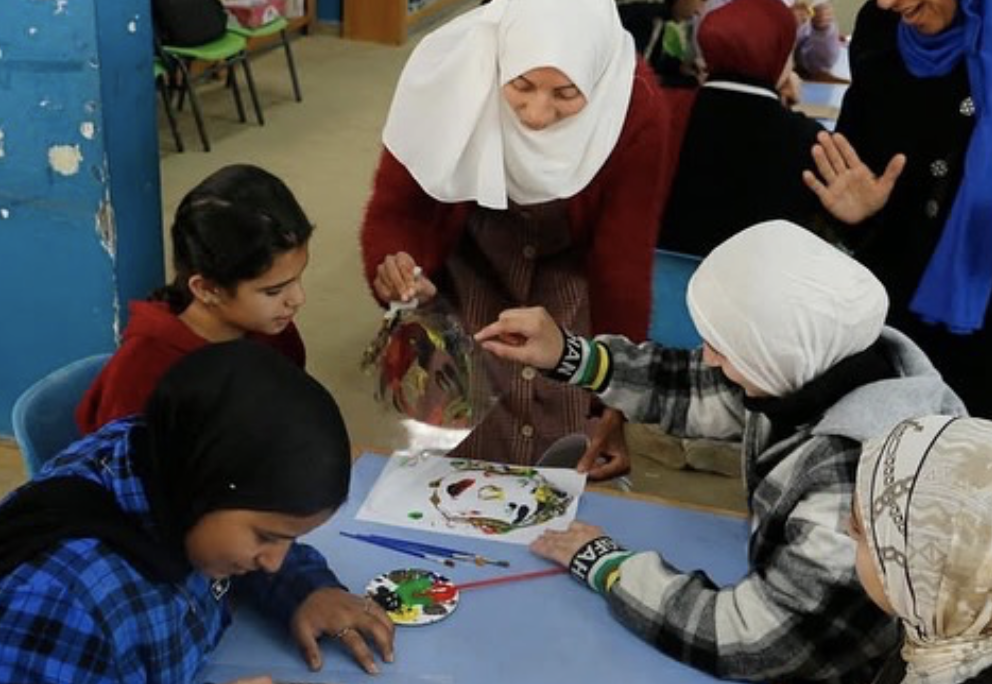
  • With a strong social media following and public screenings in festivals and events around the world, Haneen Koraz and her team are bringing animation from the women and children of Gaza to a global audience.

    Over the last year, the work of Haneen Koraz and her team in Gaza has grown in prominence and profile. An animator, educator and storyteller, Koraz’s work in organising animation workshops for children and women in Gaza – often under unimaginably difficult circumstances – has inspired artists and educators across the world. Active on Instagram as @animator_haneen, Koraz shares films made with participants in camps for displaced people in Gaza, as well as posting documentation from and reflection on the workshops.

    It can be difficult not to feel despair when witnessing the dire circumstances under which civilians in Gaza are currently forced to exist. Koraz’s posts and the films made in the workshops counter this sense of hopelessness, showing young people who, even while dealing with immense hardship, trauma, and pressure, are able to express themselves through animation with humour and eloquence. The sense of hope, community, and resilience in these films has struck a deep chord in the international animation community and beyond.

    More than 30 short films produced in these workshops have been published online. They include documentary and fiction films, ranging from moving tales of daily hardship, to domestic comedy adventures in which intrepid women and children find innovative solutions to their struggles, to more poetic and metaphorical forms of expression. In ‘The Women of the Tent Speak’ (2025), eight displaced girls scripted a film in which their mothers discuss the things they miss most from their old lives – ranging from simple objects such as high heel shoes or their own cooking pan, to profound losses like absent loved ones.

    In ‘Drops that Don’t Satisfy’ (2025), made by children between the ages of 10 and 15 years old in the Al-Maghazi Camp in central Gaza, the difficulty of accessing the basic materials of survival is visualised through an hourglass, its narrow middle blocking the flow of aid, as children underneath struggle to reach it.

    The films have carried these voices and stories across the world, screening in countries including Portugal, Spain, Norway, Germany, Lebanon, Canada, Slovenia, and the USA. In an interview for Zippy Frames, Koraz and her colleague Nour A-Jawad note that ‘cartoons are a nice, easy way for a message to spread’ (Popp, 2025). The charm, humour, power, and accessibility of these works of animation have connected with a global audience, amplifying voices that may otherwise go unheard.

    Drops That Don’t Satisfy, 2025

    Koraz and A-Jawad aim to offer their workshop participants the opportunity not only to communicate their experiences, ‘to express what they’re feeling from the war and what they’re seeing every day’, but also to benefit from the process of making and creating – to ‘work with their hands to make something creative and beautiful they’re proud of’ (ibid.). Koraz has emphasised the importance of play in her work. In an Instagram post showing images of children engaging in physical play at one of her sessions, she writes ‘We play to forget this nightmare we are living, even for a few moments. We play to return to our childhood.’

    Haneen Koraz is not just sharing the stories of Gaza’s women and children – she’s giving them the means to shape their own narratives, and demonstrating the power of creativity, even in the darkest times.

    You can support Haneen Koraz’s work through GoFundMe or on Patreon.

    References

    Popp, O. (2025). “They Wanted the World to Know What They Were Going Through”: Interview With Palestinians Haneen Koraz and Nour A-Jawad (Stop-Motion Animation Workshops). Zippy Frames.

  • London International Animation Festival has a rich history of showcasing and championing animated documentary work through screenings, panels, and events. Their 2023 online panel, Animated Documentaries – Drawing a Line over Reality, offers insights into the form of animated documentary form directors including Jonathan Hodgson, Samantha Moore, Mary Martins, and Alex Widdowson, and is hosted by Saint John Walker (Dean/Director of Industry Engagement at Escape Studios).

  • The London International Animation Festival (LIAF) has been showcasing animated nonfiction for over a decade, and was one of the first UK film festivals to give animated documentary its own curated programme in 2008. The festival has premiered animated documentaries to packed cinemas, and has also explored the boundaries of the form through its panels, Q&As and lively audience discussions.

    In November 2024, LIAF will be bringing eleven new animated documentary shorts to its audience, in a screening at London’s Garden Cinema, and online. The screening will be accompanied by a panel discussion with leading filmmakers and thinkers in the animated documentary field.

    Programme and ticket information can be found here.

  • The 2023 online edition of Factual Animation Film Festival (a.k.a. FAFF) runs from the 12th to the 26th of November 2023. The digital edition of the festival is free and globally accessible, providing access to a selection of the world’s best animated documentary shorts, all of which were part of the FAFF 2023 official programme.

    To gain access to this and future online editions subscribe to the FAFF newsletter via https://factualanimation.com/mailing/. Online credentials will be provided within 24 hours.

  • Still from ‘Cumulus’

    CUMULUS is an experimental documentary project by Christopher Ian Smith, which focuses on the musician Imogen Heap.

    The film was crafted only through the manipulation of data and content created and shared by Imogen Heap and her fans on social media and digital content platforms.

    It was commissioned by the Reel Lives research project supported by the University of Birmingham, UK in order to explore the concept of ‘digital personhood’ – this term is used to recognise a human being as having status as a person in the electronic realm.” More details here.

    Watch ‘Cumulus’ below:

  • Watch the full talk here: https://docuspace.org/eng/project/dokumentalna-animaciya–vikliki-ta-mozhlivosti

    Even though the first animated documentary (The Sinking of the Lusitania) was released in 1918, the genre was considered as a paradox for a long time, and needed a couple of quite powerful breakthroughs – Waltz with Bashir and Flee – to win recognition from the wider audience and industry decision-makers. Today animation’s use in documentary filmmaking has truly flourished. More and more filmmakers are finding their creative freedom and new exciting challenges in this genre. 

    DocuDays UA, a Ukranian Human Rights Film Festival, invited Piotr Kardas, a film curator specialising in animated documentaries, and Alex Widdowson, a London-based multi-award-winning animated documentary director and researcher specialising in the representation of neurodivergence and psychology, to talk about how documentary and animation can be used and mixed creatively in filmmaking, as well as how to find a balance between the seemingly limitless potential of animation and the duty of a documentary filmmaker to create authentic and ethical representations of people and the world.

    PARTICIPANTS:

    Piotr Kardas (moderator): the founder and director of the O!PLA Animation Film Festival and many other festivals, including the animated documentary festival Raising of the Lusitania

    Alex Widdowson (guest speaker): multi-award-winning British animated documentary filmmaker, the director of the Factual Animation Film Festival, a co-host of the Autism through Cinema Podcast, and a Ph.D. candidate at Queen Mary University of London, researching animated documentary ethics.