• Melih Bilgil’s ‘A Brief History of the Internet’ employs a distinctly simple visual language to depict a series of complex communication and technology developments. We are hurtled through the historical contexts of various breakthroughs that collectively lead to the invention of the World Wide Web.

    abhoti1

    This animation project was conceived as a vehicle for showcasing Bilgil’s graphic design concept, PICOL. Short for ‘PIctorial COmmunication Language’, the project consists of a set of standardized signs developed to represent various features of electronic communication. The designer hoped that these icons would join existing examples, such as play/pause, creating a richer vocabulary of universally understood symbols.

    abhoti2

    The director’s desire to cover the subject comprehensively is at times in conflict with the need to engage the audience, which creates a consistent element of discord. A feature common to many educational films is the interference created when entirely forgettable technical or historical referencing distracts from interesting learning points. The result of this is that the viewer’s short term memory is preoccupied by frivolous detail rather than the core subject; for example, the numerous acronyms that litter the script.

    abhoti3

    In this film, a number of concepts, such as the decentralized network architecture, are enhanced by graphic visualizations. These reduced models communicate the dilemma and solution elegantly. However, occasionally the imagery does not expand upon or condense the verbal explanation. Instead it repeats the narrator’s script and the feeling of tautology creeps in.

    abhoti4

    ‘A Brief History of the Internet’ is comprehensive and stimulating. Occasionally it loses stride but ultimately one is left with the feeling they have learnt something useful.  Melih Bilgil lives in Munich where he works as a freelance multidisciplinary designer.

  • The Meth Project is a U.S.A. based anti-drugs campaign created in response to the ‘growing Meth epidemic’. It makes use of online and broadcast media in order to dissuade teenagers from ever trying methamphetamine. The highly addictive illicit drug is associated with depression, suicide, serious heart disease, amphetamine psychosis, and violent behaviour. Prolonged abuse of the substance is often indicated by physical deterioration such as loss of teeth and emaciation.

    Four animation directors from the London based Studio AKA were commissioned by the advertising agency Organic, Inc. to create short narrative animations for The Meth Project. The harrowing and frank films are based on firsthand stories of young addicts. During each sequence the narrator states their age and when they started using meth. Collectively the six films indicate the horrors of this chemically and culturally poisonous substance.

    Kristian Andrews directs three of the stories:

    https://vimeo.com/31813354

    Bernadette – Directed by Kristian Andrews

    Bernadette’s account addresses the guilt she feels over a friend’s suicide. Kristian Andrews uses tone to symbolise naivety and consequence. We are initially introduced to two friends who are constructed out of delicate, transparent line drawings in a bleached-out room.  However, harsh under lit shadows appear in the bedroom as drug use ensues. Finally abstract blotches blacken the screen when Bernadette reflects on her guilt. The unexpected cut directly to an image of the gun in the friend’s mouth effectively represents the crushingly arbitrary nature of the young girl’s decision to end her life.

    Oriah – Directed by Kristian Andrews

    Oriah recounts the shame he feels about the violence he directed towards his family. A visual contrast is created between recollections of being high and the sober interview. When depicting the moments of intoxication sources of light are over exposed and smeared, the virtual handheld camera is either up high or near the ground at an oblique angle. The characterisation of Oriah when he is high is rapid moving and rhythmically awkward. This is contrasted by the relatively static talking-head shots where Oriah discusses his shame.

    https://vimeo.com/31813626

    Kara – Directed by Kristian Andrews

    Kara’s story refers to a near death experience in which her heart stopped briefly. The narrator’s greatest shock comes from the realisation that her drug addled friends did very little to help. Following a red and black scene showing Kara’s palpitating heart, Andrews reintroduces the viewer to the stark black and white external world. The camera rotates around her body as supporting characters slide in and out from the darkness in sync with her narration. This extraordinary scene keeps pace with rapid leaps in narrative while maintaining a strong feeling of cohesion.

    Grant Orchard directs two of the personal stories:

    https://vimeo.com/31813761

    Rochelle – Directed by Grant Orchard

    Rochelle’s story addresses drug-induced hallucinations.  Orchard was charged with the difficult task of indicating the horror of visual disturbances, without glorifying or underplaying the experience. He depicts simultaneous images jostling for space on screen. Individually such symbols would not induce much stress, but in the context of the dense composition they are exposed for a period of time that is too short for them to be fully processed. In a further attempt to evoke disgust Orchard incorporates metamorphosis; faces spawn out of one another like cancerous cells dividing out of control. Rochelle’s account also indicates a twisted rationalisation associated with addiction. “And even when I was loosing everything and everything was going to go, I knew I still wanted to get high. That’s the one thing I knew.”

    https://vimeo.com/31813458

    Hailey – Directed by Grant Orchard

    Hailey’s story addresses the visible signs of bodily deterioration that are associated with prolonged meth use. Orchard sets a virtual camera descending through a stark black and white environment speckled with floating blotches. In this space the narration is expanded upon when figurative elements spread out from a point. To further unsettle the viewer gravity is inverted so that dribbling black marks stream upwards. The quality of line and overall aesthetic seems to suggest etching prints.

    One of the films is a collaboration between Steve Small, director, and Dave Prosser, designer.

    https://vimeo.com/31813244

    Ashley – Directed by Steve Small – Design by Dave Prosser

    Ashley’s narrative starts by referring to a particular hallucination that led her to cut open her arm to look inside.  From a jostling point-of-view camera the animated arm quivers, this is matched by the scrappy mark making.  A crisp edged, gently growing, crimson pool of blood starkly contrasts the loosely painted and drawn grey-scale arm. The second scene, in which disfiguring acne is described, suggests the use of a hand held camera. This creates a sense of intimacy with the character, as we feel noticeably present in the bathroom with Ashley.

    Studio AKA was also commissioned to create a series of stand-alone illustrations. These echo the reoccurring starting-age theme found in the six animated films.

    A colleague suggested animation might have been chosen for this campaign as the medium is traditionally associated with young people. Teenagers are the campaign’s target audience so many of the conventions of children’s animation have been circumnavigated, instead these sequences do hold much of the angst, gloom and tension connected to the first stumbling years of adulthood. Adolescent recklessness collides with life altering consequences, often indicating personal growth and the taking of responsibility. Perhaps these films chime with their audiences by updating the visual language instilled by cartoons in childhood.

    This set of challenging animated documentaries make up the ‘Personal Stories’ subsection of the Meth Project’s YouTube Channel, each video has received between ten to twenty thousand views.

  • “An inspirational conference lab on the current trends of new media providing access to new information, intense networking and individual support for transmedia projects linked to documentary or animation.

    Friday & Saturday, 1 & 2 November 2013

    The DOK Leipzig Net Lab 2013 is a two part conference lab open for transmedia creatives, thinkers and makers. It offers intense individual support for your cross-media project, with an in-depth look at interactive storytelling and media architecture.

    Film-makers, media professionals and transmedia creatives are invited to apply with their multi-platform projects linked to documentary and/or animated film. Up to eight projects will be selected from all applications and the head producer and two team members are invited to participate.

    Deadline for project entries: AUGUST 18, 2013

    Filmmakers, media professionals and transmedia enthusiasts without a project are also welcome to attend. Please apply till: SEPTEMBER 18, 2013.

    We offer participants with and without projects new insights and inspirations on transmedia storytelling and production and provide a platform to exchange, network and join forces with experienced colleagues and media professionals.

    Costs:
    Participation fee with project (day 1 and 2): 250 € per project incl. 7% VAT and one festival accreditation amounting to 80 €.

    Participantion fee without project (day 1): 120 € per person incl. 7% VAT and one festival accreditation amounting to 80 €.”

    More info at: http://www.dok-leipzig.de/industry-training/training/dok-leipzig-net-lab

  • This is a story constructed from second-hand accounts of a phenomenal occurrence where a trapped whale seemed to express gratitude to its rescuers. The true account is condensed into the narrative of a single fisherman’s efforts to free the entangled creature.

    ws1

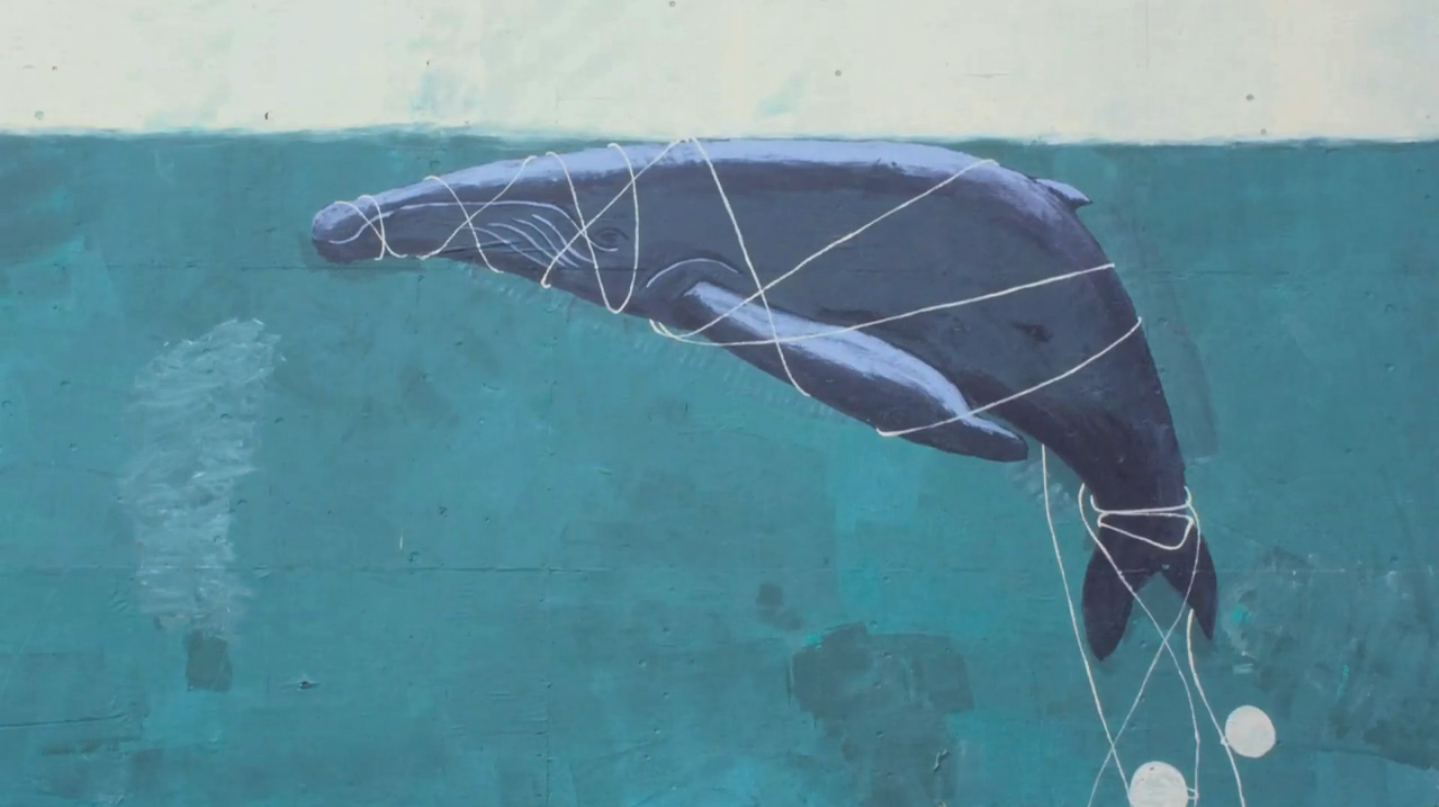
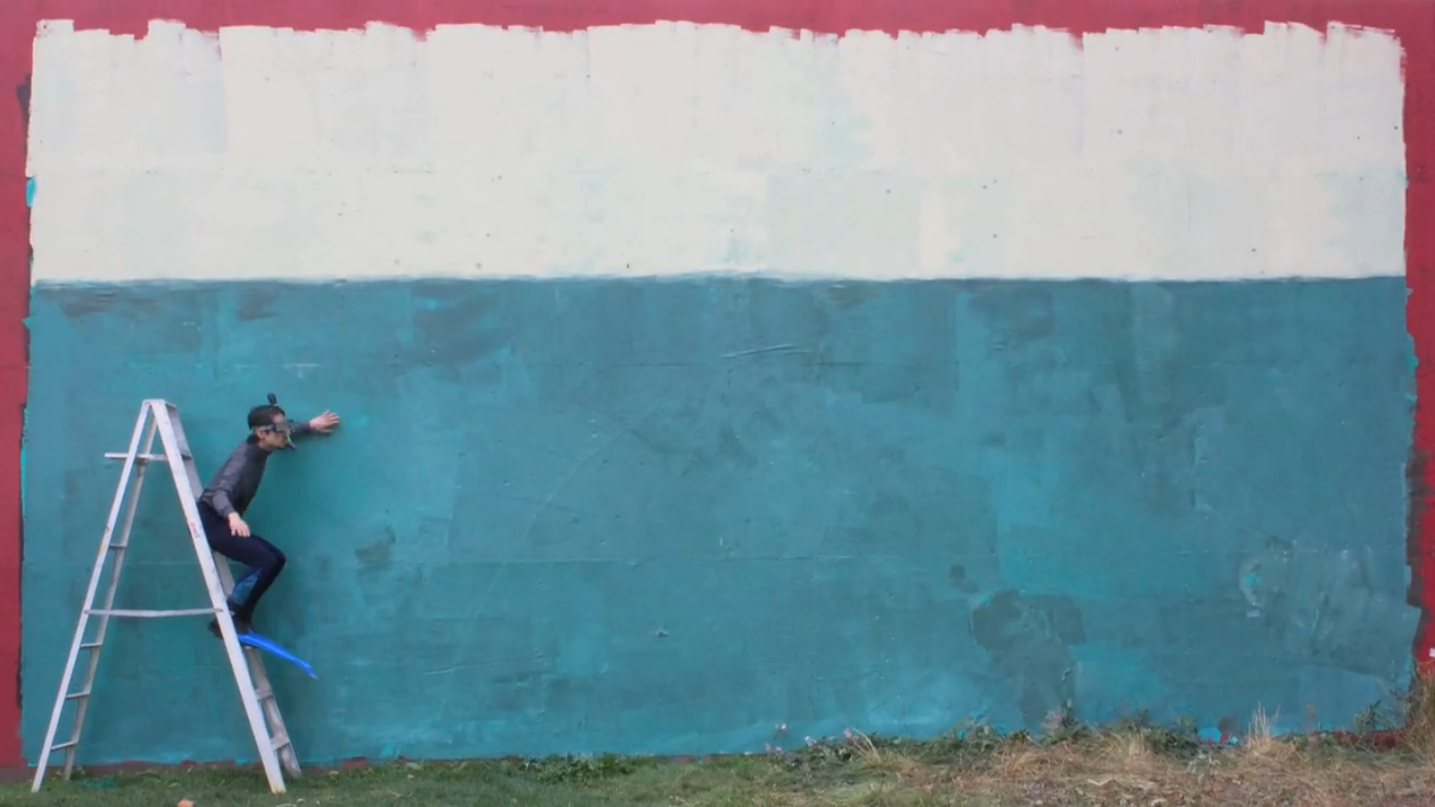
    Scenes are painted and repainted on a wall in Seattle’s Cal Anderson Park. Most noticeably this technique restricts motion; carefully composed images are constructed and then adjusted. A second feature is the presence of residual marks, also noticeable in the works of animators such as William Kentridge and Blu.

    ws2

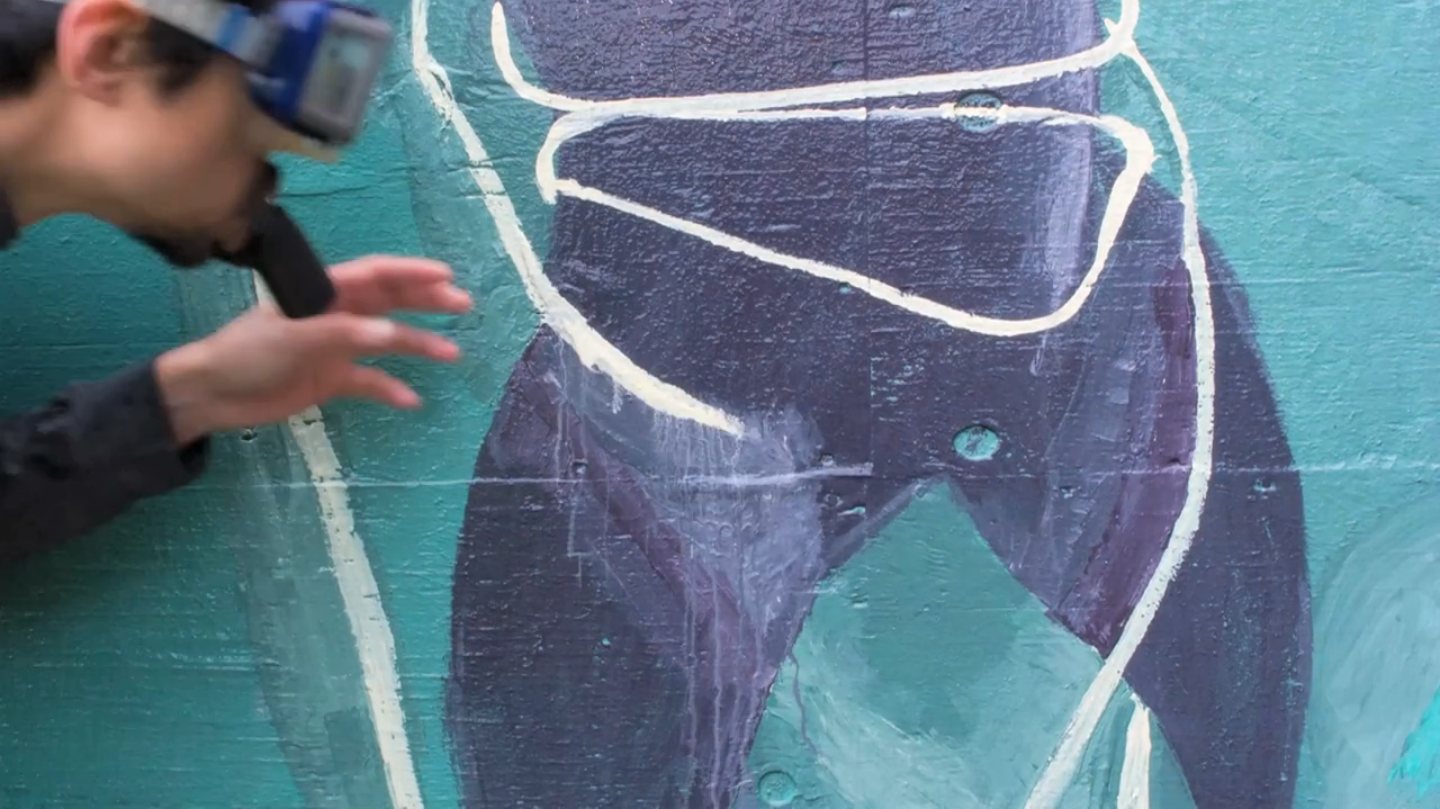
    This is where an image is adjusted rather than replaced and attempts are made to mask previous drawing, although this is never fully erased. As a result the filmmaker must embrace, accept or incorporate the traces left behind. Particularly interesting marks are created when water is used, presumably to wash away previous layers of paint, resulting in a dilution and dribbling effect,suggesting an underwater environment.

    ws3

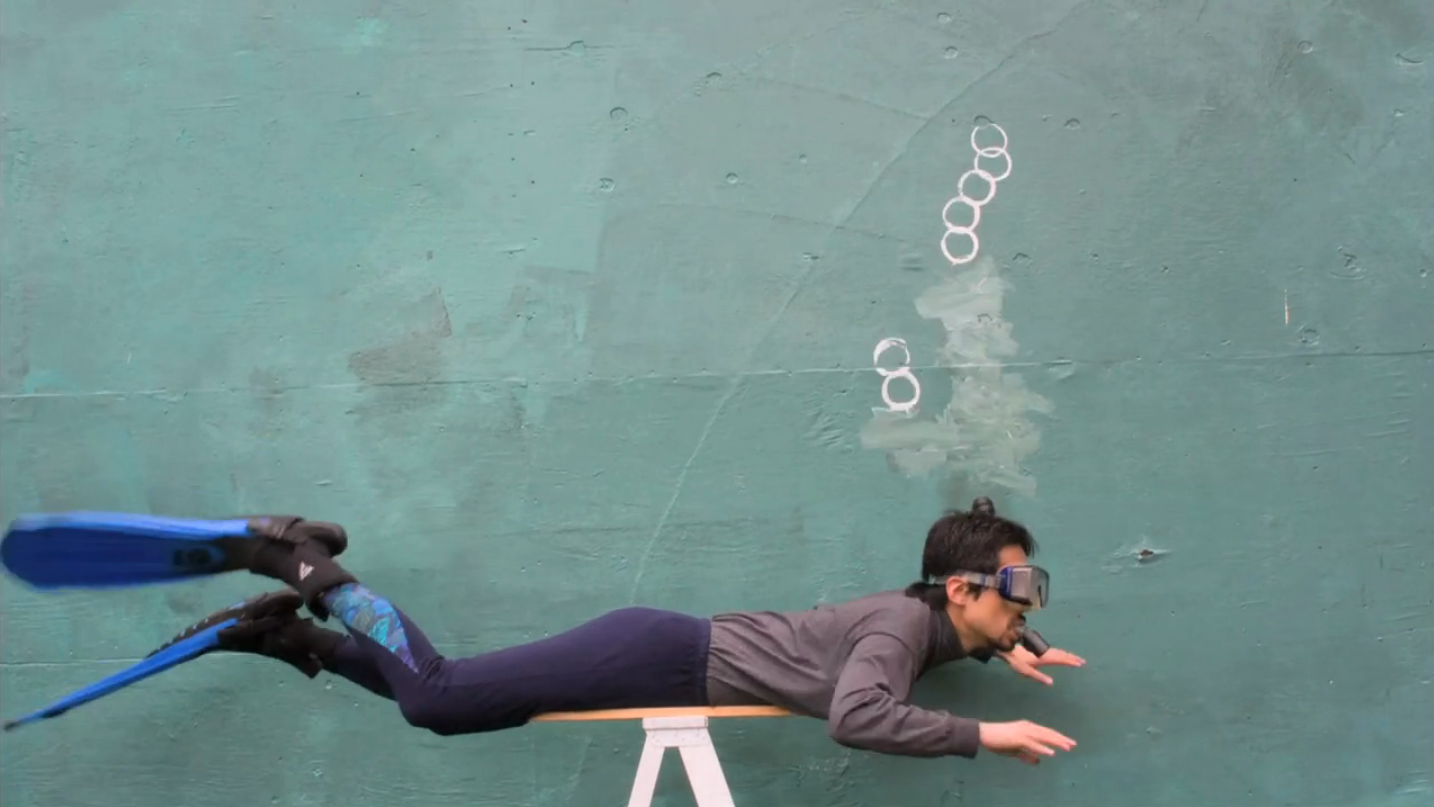
    The film is filled with broken illusions; a pixillated actor gestures swimming while mounted on top of a stepladder. Our disbelief is suspended by a mere thread, but half of the charm of this film is the inclusion of such mechanisms. Unlike some more technically complex animations, here we are provided with evidence as to how the scenes were constructed. For example, we are made aware of the filmmaker’s surroundings where the grass and the unpainted wall are visible at the edge of the frame.

    ws4

    Tess Martin draws attention to the frame presumably because she felt process was as important as narrative. This is further indicated by the choice to include a link to a making-of time lapse film.

    Some of the Vimeo user comments below the film refer to the sound as distracting. Personally I enjoyed the disrupted patterns of speech. This is an interesting device for editing down what must have been a much longer account. The film was based on the Radiolab Podcast ‘Animal Minds’. It was a public art project commissioned by Sound Transit’s STart program in association with Seattle Experimental Animation Team.

  • photo (8)

    The long awaited book on animated documentary by Bella Honess Roe is now available to buy!  We have our copies on order and will post a review in the future.

    You can get a copy in the UK from this site http://www.palgrave.com/products/title.aspx?pid=581517 and if you visit Bella’s blog you can get a code for a 50% discount!

    http://bellahonessroe.wordpress.com/

  • Annabelle Honess Roe recently released the cover image of her new book, ‘Animated Documentary’ (published by Palgrave), on her ‘Animating Documentary’ blog. The image features a still from the film ‘Feeling My Way’ by Jonathan Hodgson. Honness Roe indicates the personal significance of this film when she writes that it ‘…first got me thinking about how animation can function in documentary.’

    Commissioned by Channel 4’s Animate Projects and Arts Council England in 1997, the director, Jonathan Hodgson, combines live action point-of-view shots filmed in 35mm and Digibeta, overlaid with hand painted and drawn animation.

    fmy2

    Hodgson has been able to observe and deconstruct the thought processes which occur passively when one is engaging with one’s surroundings. This is a phenomenon which takes place when no deliberate attempt is made to think clearly about a particular topic. Personally, I am impressed by the lucidity and universal sense of subjectivity this film evokes. Simina Pitur comments on the film’s Vimeo page ‘At last, I have found a piece of art that accurately translates what I feel 24/7.’

    fmy3

    Rather than beginning by storyboarding, I wonder whether Hodgson first filmed his journey then tried to deconstruct why his eye was drawn in a certain way, or for what reason he was not actively observing anything. I am fascinated by how he was able to capture what is often an abstract cognitive experience in a believable sequence.

    fmy4

    While I often expect I am viewing my surroundings with the crisp objectivity of a video image in fact it is more likely my attention is shifting between weighted content, be it appealing or repulsive. I sometimes observe in hindsight that while on auto-pilot my mind had been taken completely from my surroundings. This film tangibly depicts subjectivity with rare effectiveness. Such a feeling of recognition of one’s self in another person’s work is more commonly restricted to less subtle field of observational stand-up comedy!

    fmy5

    ‘Feeling My Way’ is strangely reminiscent of a scene in James Cameron’s ‘The Terminator’.  In an introductory scene the audience is granted the point of view of the murderous robot in which a combination of audio-visual information is processed by recognition software and cross-referenced with a database. These relatively crude visualisations help the artificially intelligent machine to navigate and decode its surroundings. Google have recently produced ‘Glass’ a voice-command operated headset with a transparent eyeglass frame-mounted screen. This allows you to observe the world augmented by smart device abilities such as satellite navigation and Google search. As this sort of technology develops and becomes more prevalent our technological experiences might become tangibly close to some of the scenes depicted in ‘Feeling My Way’.

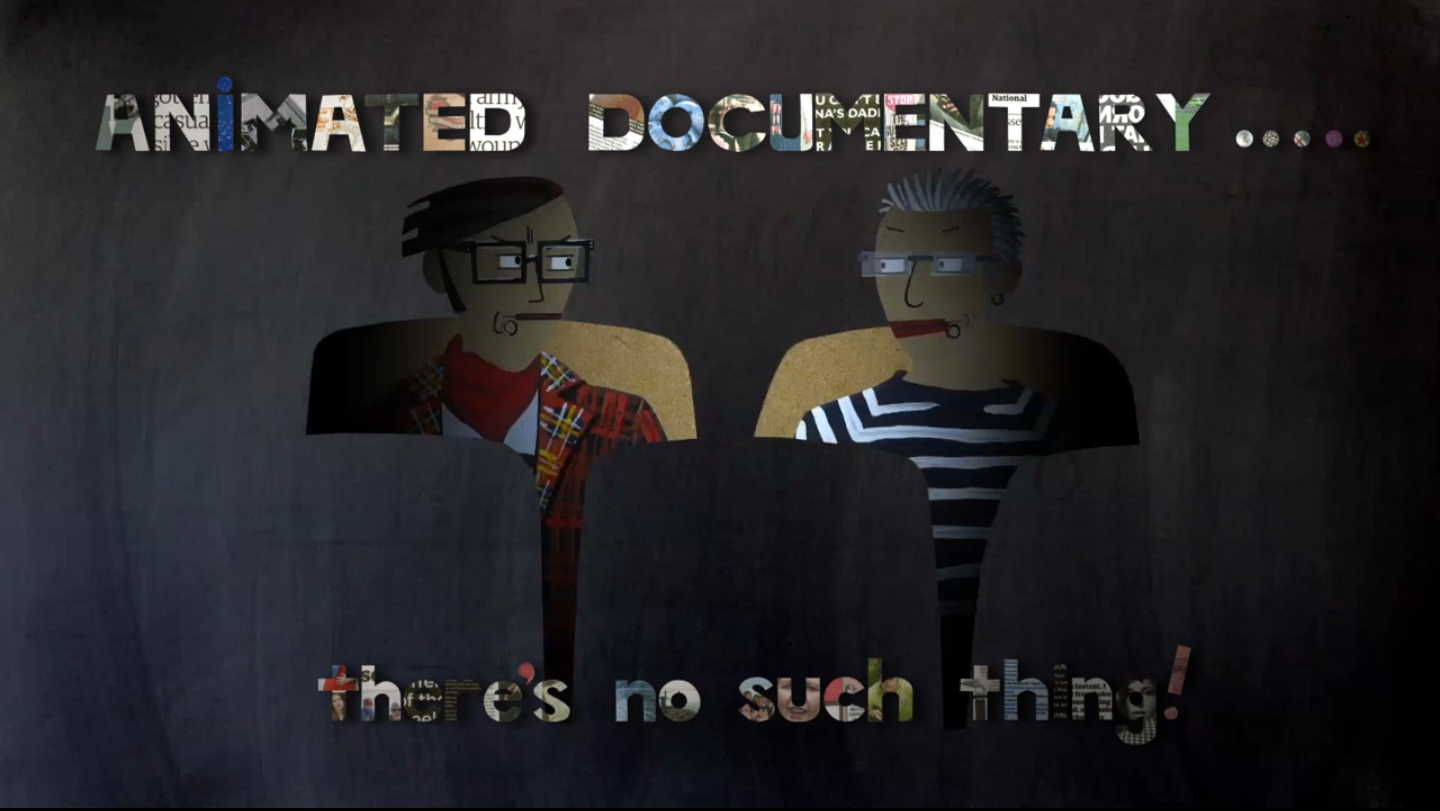
  • When writing about a subject such as animated documentary it is a rare treat to come across a film that advocates, exemplifies and examines your field so directly. nst1

    Set to the rhythm of beat poetry, Scotti Rothschild has written and directed a short film studies class, designed to counter an assertion proposed by a stranger. This animated short is dedicated to ‘…THAT live-action filmmaker who said that there was no such thing as animated documentary.’

    nst2

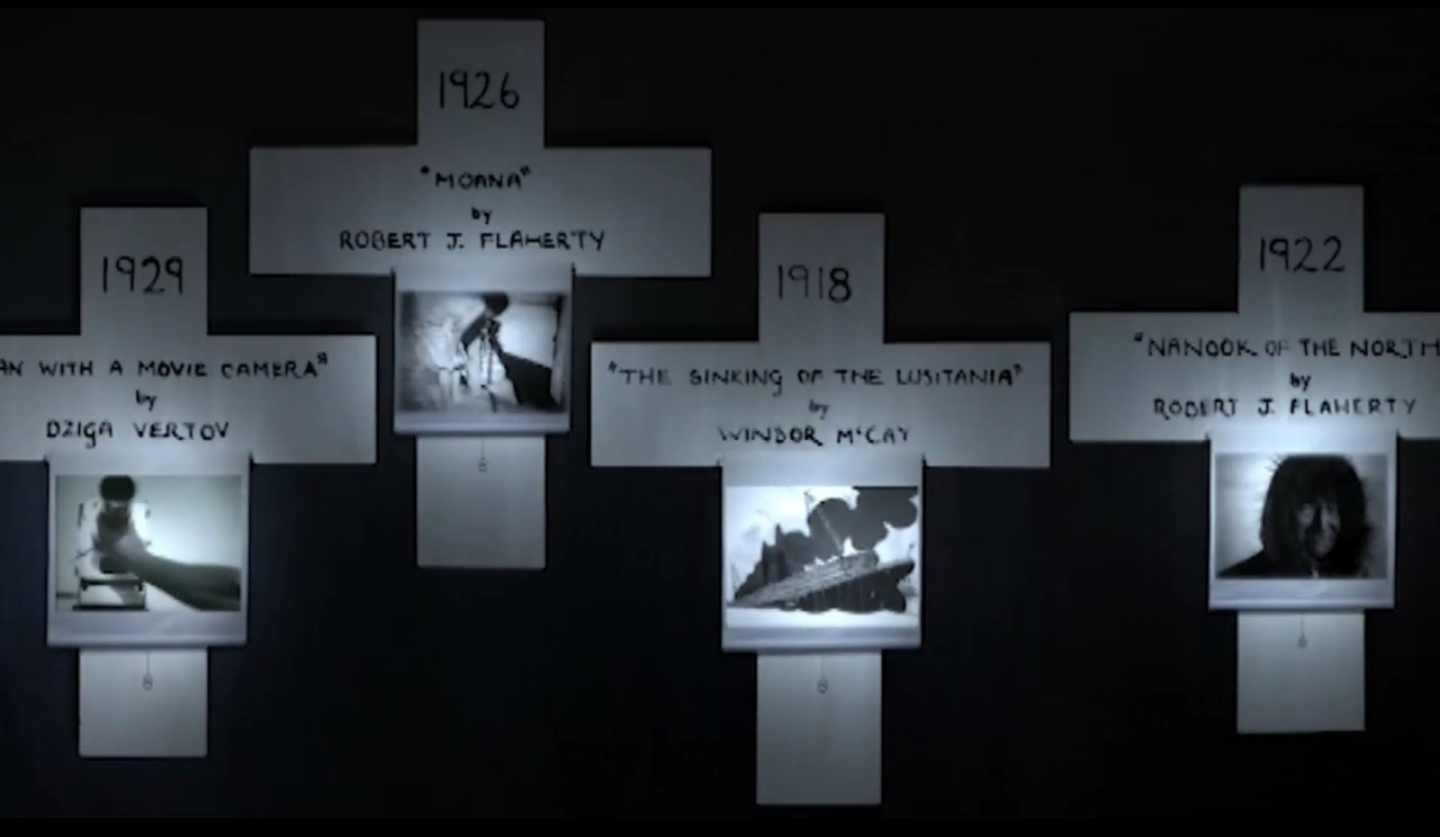
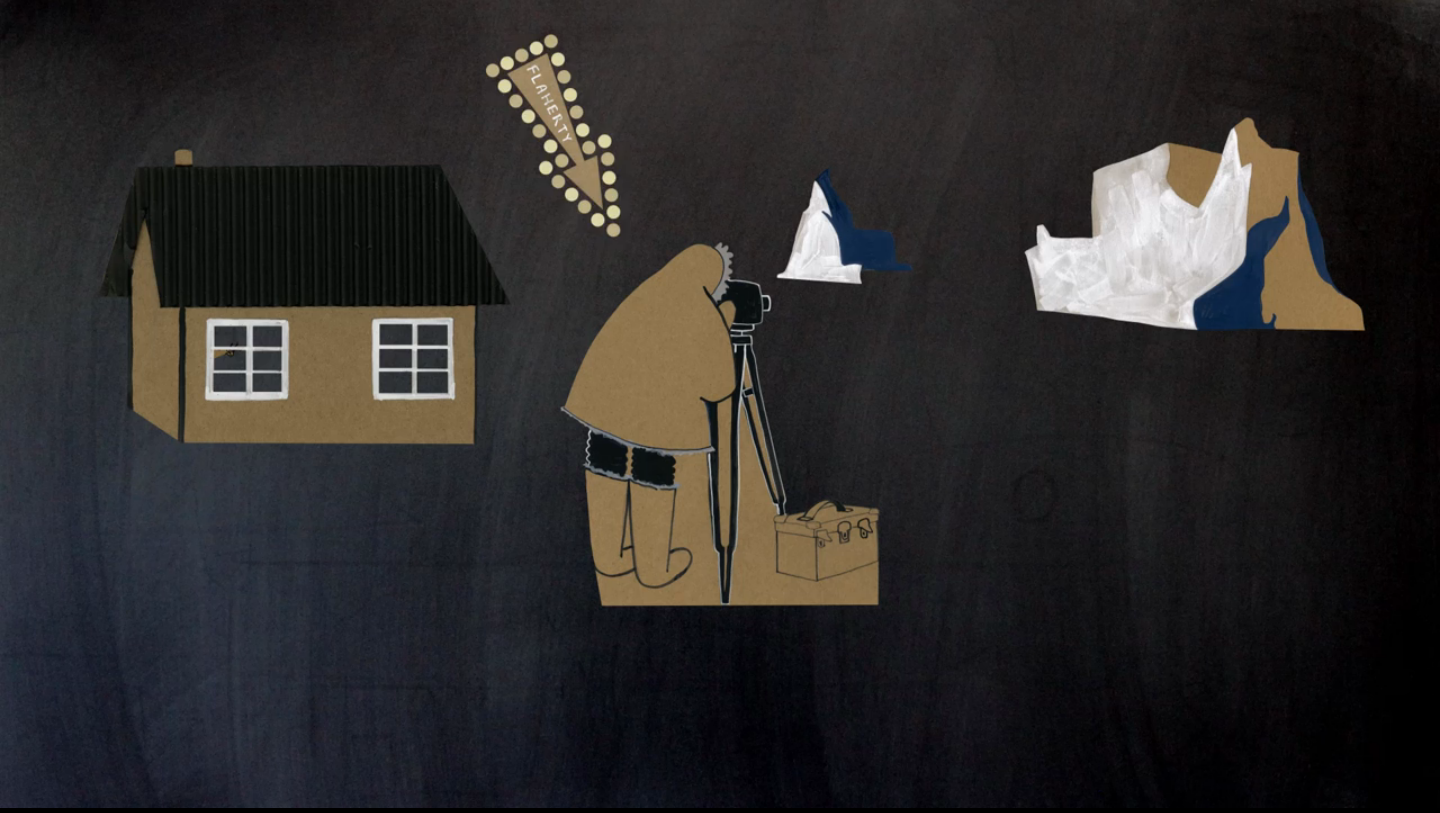
    Reference is made to ‘Nanook of the North’, considered to be the first feature length documentary. The director of this 1922 film, Robert J. Flaherty, received criticism for staging several sequences. Despite this the documentary’s influence is internationally and historically recognised.  Rothschild argues the illusions of cinema are present in all on screen representations. It is therefore meaningless to disregard the more obvious methods of representation found in animation when comparing them to the hidden techniques used in live action documentary. In the words of the narrator: ‘Truth isn’t guaranteed by style or expression…. what matters is content and reasoning.’

    nst3

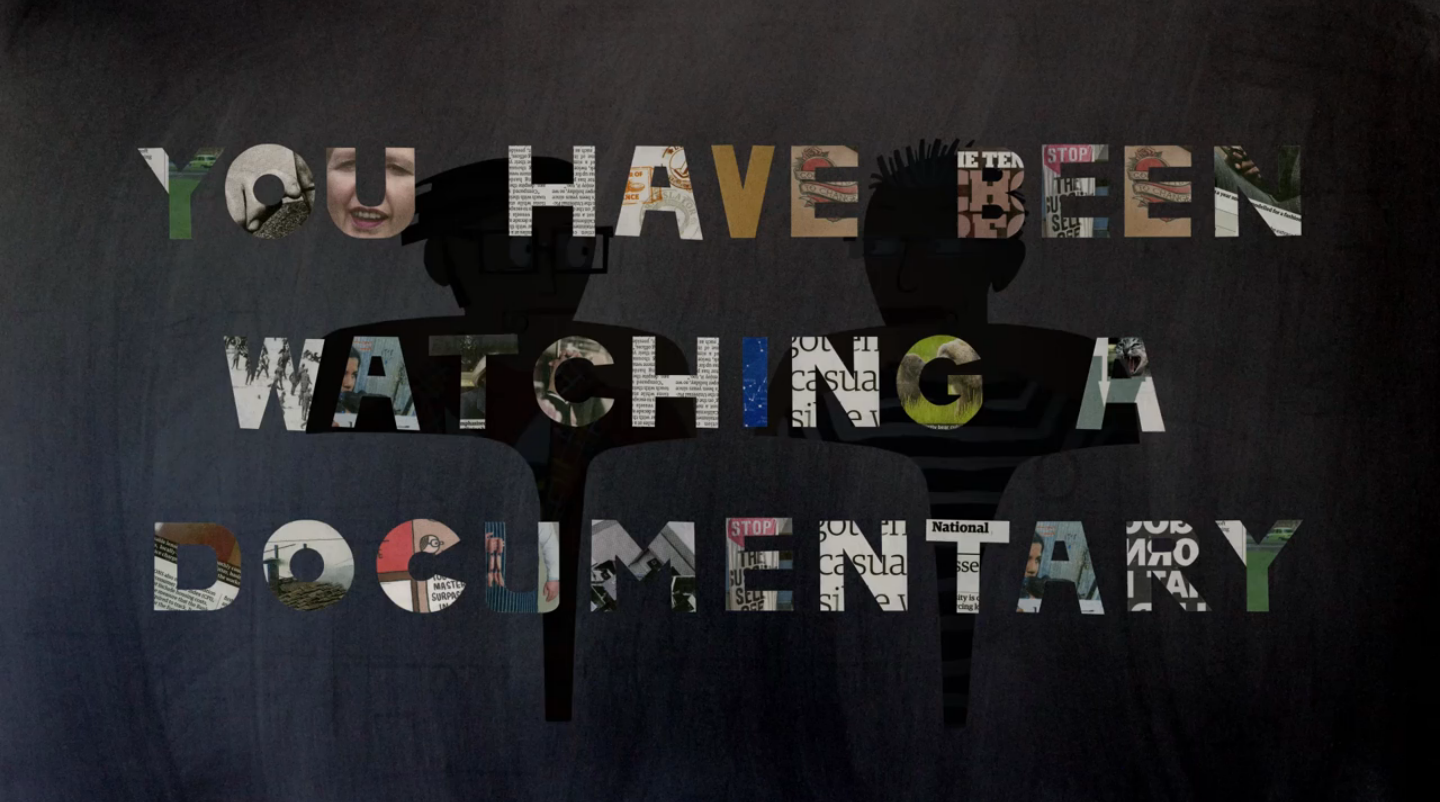
    I am a great fan of meta-film making; this is where the processes of production are addressed so disrupting the illusion of cinema. Such work often evokes a sense of circular logic and metaphoric symmetry. In this case we are watching a documentary about methods of making documentaries. In order to hammer home her point, Rothschild states triumphantly before the credits that  ‘You have been watching a documentary’.

    nst4

    I was puzzled that the Vimeo title includes the phrase ‘work in progress’ as the film appears finished. My whimsical mind hopes this statement references the growing field of animated documentary, implying that it is a fertile ground for filmic exploration. However it is more likely the video file may soon be updated with a few minor changes.

    This is a student film, produced at the National Film School, Dun Laoghaire Institute of Art, Design & Technology in County Dublin.

  • Liz Blazer – Backseat Bingo – Animated Documentary from Liz Blazer on Vimeo.

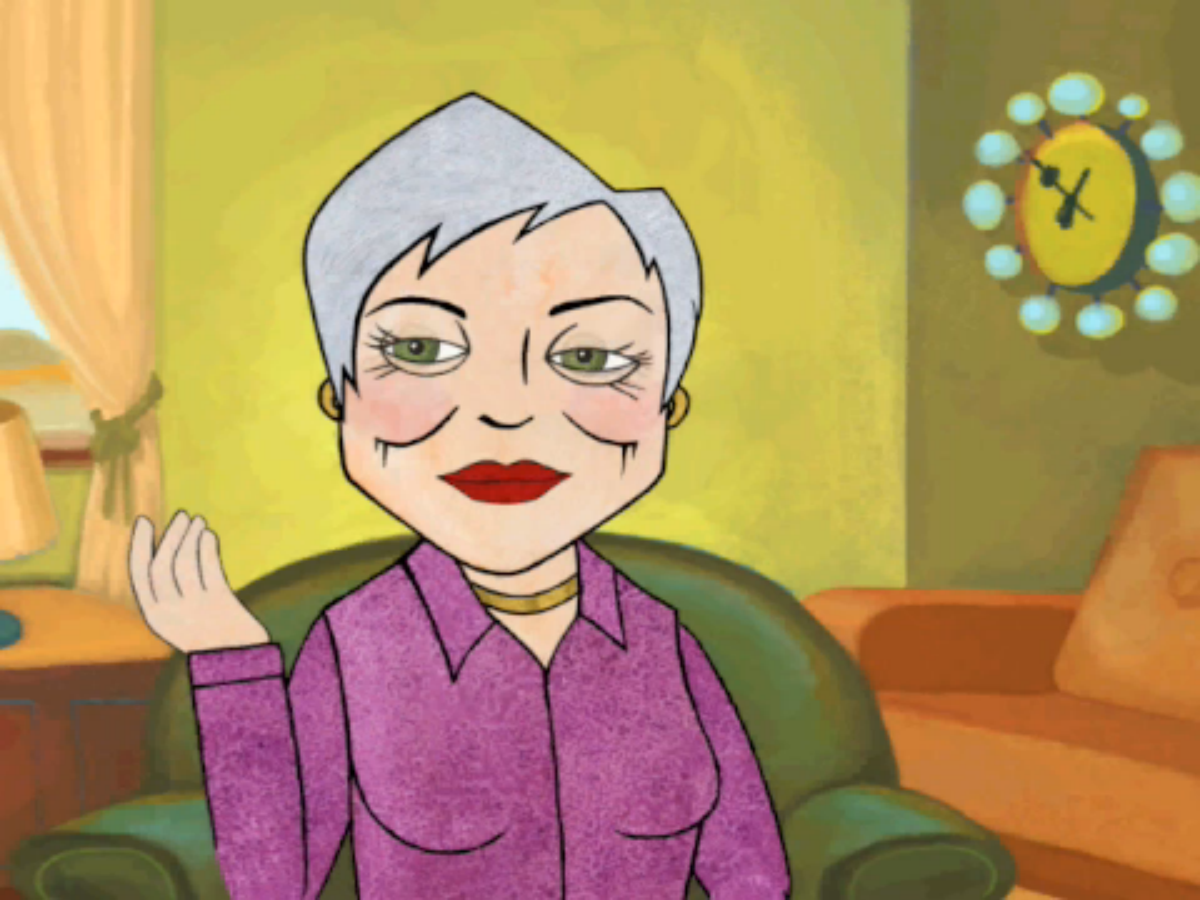
    Liz Blazer’s ‘Backseat Bingo’ is a joyful exploration of sexuality in the lives of senior citizens. The talking head format is brought to life by Blazer’s illustrative style and eye for caricature. As viewers we are granted extraordinary access to the interviewees personal lives, the results are often comical and touching but above all the experience is intimate.

    BB1

    Urbandictionalry.com indicates that the title of this film is a 1950’s term for kissing in the back of a car. We live in a highly sexualised society, which also places huge emphasis on youth. I have great respect for Liz Blazer for challenging age prejudice by highlighting the importance of sex throughout adulthood. The liberal attitude amongst some of the female interviewees also challenges conservative gender stereotypes.

    BB2

    The choice to include a photograph of each participant at the end of the film makes it clear that the use of animated documentary in this case was not a device for protecting identity. Instead animation is used to inject vibrancy and illustrative flair. Although the likeness is often striking, it is a little strange that the caricatures make each participant look younger than their photographs. I wonder whether this design choice was to protect vanity or maybe it was simply a product of the simplified drawing style.

    BB3

    Occasionally the stiffness of the animation becomes evident; a background figure that dives into a swimming pool does so without bending a limb. Ultimately this is not the emphasis of the film. Blazer is concerned with distilling personality into these simply constructed 2D puppets, and I feel she does so conscientiously and to great effect.

    BB4

    Backseat Bingo’ was a student film made in 2004 at the School of Cinema – Television, University of Southern California.  The film travelled internationally to over 180 film festivals and won 25 awards. The source of this film’s resonance is emphasised when in the final credits Liz Blazer declares her thanks to each of the participants for sharing their ‘wisdom and humour’.

  • Dole Animators is a group of benefit claimants based in the UK who are working together to make an animated documentary about the reality of the impact of the governments recent welfare reform.

    The final film will use a mixture of stopmotion and collage animation.

    Animateddocumentary.com’s Ellie Land is working with the group in partnership with Ruth Patrick, a researcher from Leeds University.

    The final film will be released in Autumn 2013, you can watch the trailer here:

    https://www.youtube.com/watch?feature=player_embedded&v=fTsXDVHYOBw

  • Great news over at the documentary and animation festival DOK Leipzig, they have just announced that this year they will be giving a prize to the best animated documentary in the festival. There is still time to enter!

    To find out more, read their press release here:

    http://www.dok-leipzig.de/festival/festival-news?start:int=0